

Periodontal disease, commonly referred to as gum disease, is frequently under-recognised and can have adverse effects on systemic health, particularly cardiovascular function. Residents of Jacksonville seeking guidance from a preventative dentist jacksonville fl can better understand how early intervention reduces long-term risks. This article examines how periodontal disease may increase cardiovascular risk, the role of preventive dental care, and the specific measures individuals can adopt to protect both oral and cardiac health. Understanding these mechanisms supports proactive health management.
Research further underscores the prevalence of this association and its relevance for cardiovascular health.
Oral Health's Link to Atherosclerotic Cardiovascular Disease
Periodontal disease (PD) is prevalent in the United States and globally. Evidence links poor oral health with atherosclerotic cardiovascular disease (ASCVD); however, this relationship has received limited emphasis within clinical cardiology.
Oral health and atherosclerotic cardiovascular disease: A review, EA Jackson, 2021
This guide addresses the local implications of periodontal disease, preventive strategies, the importance of regular dental care, and available treatment options. It also outlines signs to monitor and how residents can access heart-conscious dental services in Jacksonville.
Local Health Implications:
Periodontal disease affects a substantial portion of Jacksonville's population. Studies report that approximately 47% of adults aged 30 and older exhibit some form of periodontal disease, which can progress to more severe conditions if left untreated. Inflammation associated with periodontal disease can contribute to systemic inflammation and cardiovascular pathology. Early detection and management are essential to prevent these complications.
Preventive Measures:
Preventive strategies are central to preserving oral health and reducing the risk of periodontal disease. Jacksonville residents should consider adopting the following practices:
- Good Oral Hygiene Practices : Regular brushing and flossing help remove plaque and prevent gum disease.
- Regular Dental Check-Ups : Visiting a dentist at least twice a year for professional cleanings and evaluations can catch early signs of gum disease.
- Healthy Diet and Lifestyle Choices : A balanced diet rich in vitamins and minerals supports oral health, while avoiding tobacco and excessive alcohol can reduce risk factors.
What Are the Common Symptoms and Risk Factors of Gum Disease?
Typical clinical signs include gingival swelling or bleeding, persistent halitosis, and tooth mobility. Risk factors that increase susceptibility include tobacco use, diabetes mellitus, and a family history of periodontal disease. Early recognition permits timely intervention and improved outcomes.
How Does Periodontal Disease Develop and Progress?
Periodontal disease frequently begins as gingivitis, characterised by inflammation of the gingiva. If untreated, it may advance to periodontitis, involving destruction of the periodontal ligament and alveolar bone and potentially resulting in tooth loss. Recognising the stages of this disease is important for effective prevention and treatment.
Importance of Dental Care:
Regular professional dental care is fundamental to preventing periodontal disease and supporting cardiovascular health. Professional cleanings remove calculus that routine brushing cannot address, and dental clinicians provide personalised guidance on oral hygiene. Patient education also empowers individuals to manage their oral health more effectively.
What Is Periodontal Disease and How Does It Affect Oral Health?
Periodontal disease is an inflammatory disorder of the supporting tissues surrounding the teeth. It can lead to tooth loss and alveolar bone resorption. The systemic implications extend beyond the oral cavity, as periodontitis has been associated with various systemic conditions, including cardiovascular disease.
What Are the Common Symptoms and Risk Factors of Gum Disease?
As previously noted, common indicators include gingival swelling, persistent halitosis, and dental sensitivity. Contributing factors include inadequate oral hygiene, tobacco use, and systemic conditions such as diabetes. Awareness of these factors supports preventive action.
How Does Periodontal Disease Develop and Progress?
Disease progression typically begins with plaque accumulation, leading to gingivitis. If left untreated, it can progress to periodontitis, where the supporting structures of the teeth are compromised. This progression highlights the importance of early intervention and regular dental assessments.
How Does Gum Disease Increase Cardiovascular Risk?
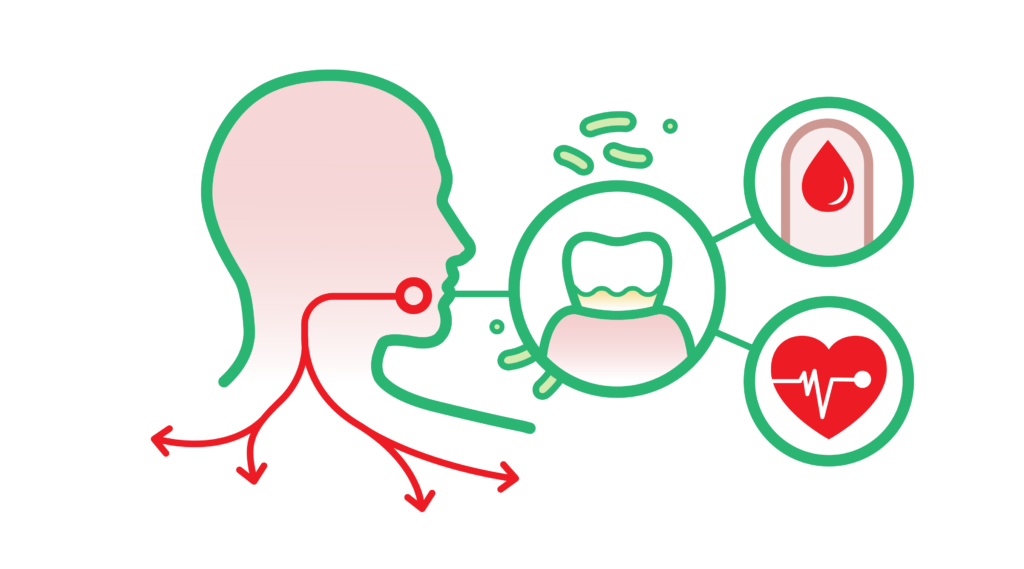
Evidence indicates that periodontal disease may increase the risk of cardiovascular disease. Inflammation originating in the periodontium can provoke systemic inflammatory responses, a recognised risk factor for atherosclerosis and adverse cardiac events. Understanding this association is important for maintaining both oral and cardiovascular health.
Additional studies have quantified this association, reporting statistically significant correlations between periodontal pathology and major cardiovascular events.
Gum Disease & Heart Health: Quantifying CHD & Stroke Risk
After adjustment for established cardiovascular risk factors, incidence odds ratios associated with periodontal bone loss were 1.5 for total coronary heart disease, 1.9 for fatal coronary heart disease, and 2.8 for stroke.
Periodontal disease and cardiovascular disease, J Beck, 1996
What Is the Role of Systemic Inflammation in Heart Disease?
Systemic inflammation is a central mechanism in the development of cardiovascular disease. Inflammatory mediators from periodontal infection can enter the circulation, promote atherogenesis, and increase the risk of myocardial infarction and cerebrovascular events. This connection reinforces the importance of oral health in cardiovascular risk management.
How Do Oral Bacteria Contribute to Cardiovascular Conditions?
Specific periodontal pathogens may translocate into the bloodstream and contribute to vascular inflammation. Bacterial endotoxins and the host inflammatory response can damage the endothelium and accelerate plaque formation. Effective oral hygiene reduces bacterial burden and associated vascular risk.
What Preventative Dental Care Practices Reduce Heart Disease Risk?
Implementing established dental care practices can reduce cardiovascular risk. Key recommendations include:
- Daily Brushing and Flossing : Maintaining a routine of brushing twice a day and flossing daily helps prevent plaque buildup.
- Regular Dental Visits : Professional cleanings and check-ups are essential for early detection and treatment of gum disease.
- Healthy Lifestyle Choices : A balanced diet and avoiding tobacco can support both oral and cardiovascular health.
Which Oral Hygiene Habits Are Most Effective for Gum Disease Prevention?
Effective oral hygiene practices are essential for preventing periodontal disease. Core measures include:
- Brushing : Use fluoride toothpaste and brush for at least two minutes, twice a day.
- Flossing : Floss daily to remove plaque and food particles between teeth.
- Mouthwash : Consider using an antimicrobial mouthwash to reduce bacteria.
How Do Routine Dental Cleanings Support Cardiovascular Wellness?
Routine dental prophylaxis is important for maintaining oral health and may support cardiovascular wellness. Professional cleanings remove calculus and plaque that contribute to periodontal inflammation, thereby lowering systemic inflammatory burden. Regular dental assessments ensure early signs of disease are managed promptly.
What Are the Signs That Jacksonville Residents Should Watch For?
Jacksonville residents should monitor for the following signs of periodontal disease:
- Bleeding Gums : Gums that bleed during brushing or flossing are a common sign of gum disease.
- Persistent Bad Breath : Chronic bad breath can indicate the presence of gum disease.
- Loose Teeth : Teeth that feel loose or shift position may be a sign of advanced periodontal disease.
How to Recognize Early Symptoms of Periodontal Disease?
Early symptoms include gingival swelling or tenderness, halitosis, and changes in occlusion when biting. Recognising these signs promptly allows for timely treatment and improved clinical outcomes.
When Should You Seek Professional Dental Evaluation?
Individuals should seek professional dental evaluation if they experience any of the symptoms described above. Early intervention is essential to prevent progression of periodontal disease and to reduce associated risks.
What Treatment Options Are Available to Manage Gum Disease and Protect Heart Health?
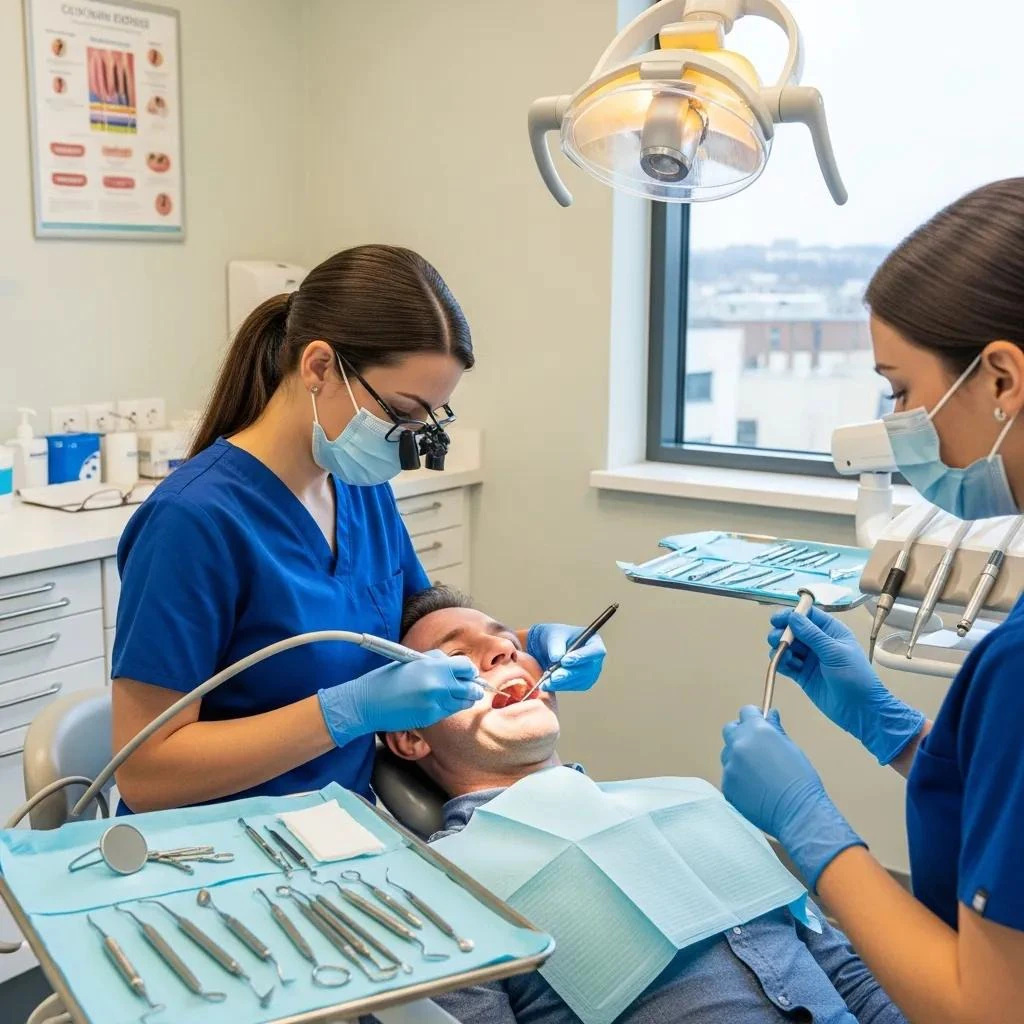
Management options for periodontal disease include:
- Scaling and Root Planing : A deep cleaning procedure that removes plaque and tartar from below the gum line.
- Antibiotics : Prescribed to help control bacterial infection in the gums.
- Surgical Treatments : In severe cases, surgical options may be necessary to restore gum health.
How Does Periodontal Therapy Reduce Cardiovascular Risk?
Periodontal therapy can reduce cardiovascular risk by addressing the underlying periodontal inflammation. Improving oral health may lower systemic inflammatory markers and thereby diminish cardiovascular risk.
While periodontal therapy is associated with reductions in systemic inflammation, ongoing research continues to evaluate the direct impact of such treatments on cardiovascular disease prevention.
Gum Disease Treatment & Heart Disease Prevention
An association between periodontitis and cardiovascular disease has been reported; however, current evidence remains uncertain regarding whether periodontal therapy prevents cardiovascular disease in individuals with chronic periodontitis.
Periodontal therapy for primary or secondary prevention of cardiovascular disease in people with periodontitis, 2019
What Patient Education Supports Long-Term Oral-Systemic Health?
Patient education is fundamental to sustaining oral-systemic health. Providing clear information on the relationship between oral health and overall health empowers patients to adopt preventive behaviours and adhere to recommended care.
How Can Jacksonville Residents Access Heart-Healthy Dental Care Services?
Jacksonville residents may access heart-healthy dental care through local practices that prioritize preventive care and patient education.
To support optimal oral and cardiovascular health, consider the preventative care services offered at Ramos Dental Care PA.
What Preventative Care Services Does Ramos Dental Care PA Offer?
Ramos Dental Care PA provides a range of preventative services, including routine prophylaxis, periodontal evaluations, and patient education on oral maintenance. These services are designed to help residents protect their oral and cardiovascular health.
How to Schedule and Prepare for Your Dental Visit?
To schedule an appointment, contact Ramos Dental Care PA directly. Prepare by providing relevant medical history and a current medication list to assist the dental team in delivering appropriate care.
For more information about us and our commitment to serving the Jacksonville community, please visit our website.
Frequently Asked Questions
What lifestyle changes can help improve gum health and reduce heart disease risk?
Targeted lifestyle modifications can improve periodontal and cardiovascular health. Recommendations include adopting a balanced diet rich in fruits, vegetables, and whole grains to provide essential nutrients, cessation of tobacco use and moderation of alcohol to reduce inflammation, and regular physical activity to support cardiovascular function. Integrating these habits supports both oral and systemic health.
How often should I visit the dentist for optimal gum health?
Routine dental examinations and professional cleanings at least twice annually are generally recommended. These visits permit clinical evaluation, early detection of periodontal disease, and removal of plaque and calculus that home care may not address. Patients with elevated risk factors may require more frequent appointments as advised by their dentist.
Can gum disease be reversed, and what treatments are available?
Gingivitis is often reversible with professional cleaning and improved home care. Treatment options include professional prophylaxis, scaling and root planing, and enhanced oral hygiene practices. Advanced periodontitis may require adjunctive antibiotics or surgical intervention. Early intervention improves prognosis and may restore periodontal health.
What role does nutrition play in maintaining gum health?
Nutrition influences periodontal health. A diet sufficient in vitamin C and calcium supports immune function and gingival tissue integrity. Antioxidant-rich foods may reduce inflammatory processes, while diets high in sugar and processed foods promote plaque accumulation. Emphasising a balanced diet supports oral health and reduces periodontal risk.
Are there specific dental products recommended for gum disease prevention?
Certain dental products are effective in preventing gum disease. Use fluoride toothpaste to strengthen enamel and reduce caries. Antimicrobial mouthwashes can lower the oral bacterial load. Interdental aids, such as floss or interdental brushes, remove plaque from between teeth. Selecting products with the American Dental Association (ADA) Seal of Acceptance helps ensure efficacy and safety.
How can I tell if my gum disease is worsening?
Worsening periodontal disease may present as increased gingival bleeding with brushing or flossing, persistent halitosis, gingival recession or swelling, and tooth mobility. If these signs occur, prompt professional dental evaluation is essential to limit progression and reduce associated systemic risks. Regular self-assessment and attention to changes in oral health support timely intervention.
Conclusion
Recognising the relationship between periodontal disease and cardiovascular health is important for Jacksonville residents seeking to improve overall well-being. Prioritising preventive dental care and consistent oral hygiene can reduce the likelihood of serious cardiovascular complications. Proactive measures today support long-term oral and cardiac health. For further information on heart-healthy dental services, review the offerings at Ramos Dental Care PA.


