

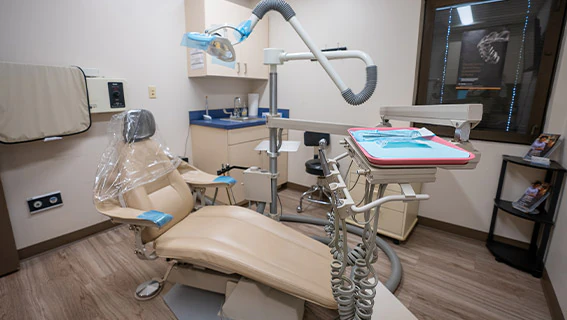
Stress commonly produces physical symptoms, including jaw clenching and neck pain. This article examines the relationship between stress and orofacial pain, the mechanisms involved, and practical management strategies. Readers will find information on causes and symptoms of stress-related bruxism, the role of the masseter muscle, and clinically relevant interventions. The discussion includes therapeutic approaches, targeted techniques, and lifestyle modifications that can reduce symptoms and improve quality of life.
Therapeutic Approaches
Management of orofacial pain typically requires a multimodal approach, including physical therapy, medication management, and dental splints. These interventions address contributing factors and aim to relieve symptoms. Physical therapy improves muscle function and reduces tension in the jaw and cervical region. Medication strategies may include anti-inflammatory agents or muscle relaxants for symptomatic relief. Custom dental splints are employed to limit bruxism and decrease mechanical load on the masticatory muscles.
What Are the Primary Causes and Symptoms of Stress-Related Jaw Clenching?
Stress-related jaw clenching, or bruxism, is frequently precipitated by anxiety and increased muscle tension. Patients often remain unaware of nocturnal clenching. Typical symptoms include headaches, localized jaw pain and referred neck discomfort. Early recognition of these signs supports timely intervention and improved outcomes.
How Does Stress Contribute to Jaw Clenching and Orofacial Muscle Tension?
Stress activates the sympathetic fight-or-flight response and increases global muscle tone, including the masticatory muscles. Elevated tone can produce involuntary clenching and tooth grinding, which in turn worsen orofacial pain. Identifying this physiological link is essential for developing effective coping and treatment plans.
Some research suggests that bruxism may function as a physiological coping mechanism for stress.
Bruxism's Role in Stress Relief and Emotional Management
Saruta (2008) reports that vigorous grinding and clenching of the masticatory muscles (bruxism) may mitigate stress-induced psychosomatic disorders by down-regulating the limbic system, the autonomic nervous system, and the hypothalamic‑pituitary‑adrenal (HPA) axis. The findings indicate that parafunctional activity of the masticatory organ can reduce stress-related allostatic overload.
Bruxism and stress relief, J Saruta, 2008
Effective Techniques
Effective management of stress-related bruxism and associated neck pain combines stress-reduction strategies, at-home pain control, and specific jaw exercises. Techniques such as progressive relaxation, targeted stretching and therapeutic exercises for the masticatory and cervical muscles can decrease tension. Regular application of these measures within a daily routine commonly leads to symptom improvement.
What Are the Common Signs and Symptoms of TMJ Disorders and Neck Pain?
Signs of temporomandibular joint (TMJ) disorder include clicking or popping during mandibular movement, masticatory difficulty and persistent pain in the jaw or neck. These symptoms can interfere with chewing, sleep and daily activities. Early detection facilitates timely clinical assessment and treatment.
How Does the Masseter Muscle Influence Orofacial and Neck Pain?
The masseter is a primary masticatory muscle and a major contributor to jaw elevation. When overactive or chronically tense, it can generate local pain and refer symptoms to adjacent regions. Targeting masseter tension is central to many effective treatment plans.
What Is the Role of the Masseter Muscle in Jaw Function and Pain Development?
The masseter supports mastication and stabilises the mandible during function. Overuse or hyperactivity of this muscle can produce pain in the jaw and cervical region. Clinical management often focuses on reducing masseter load to relieve orofacial pain.
How Does Masseter Muscle Pain Connect to Neck Discomfort?
Pain originating in the masseter may refer to the neck and perpetuate a cycle of musculoskeletal strain. This interrelation underscores the need to address both mandibular and cervical components concurrently for adequate symptom control.
What Effective Treatments Does Ramos Dental Care PA Offer for Jaw Clenching and Neck Pain?
Ramos Dental Care PA provides a spectrum of treatments for bruxism and related neck pain, including custom dental splints to reduce grinding and redistribute occlusal forces. The practice also prescribes therapeutic jaw and neck exercises and offers structured guidance on stress-management techniques to support sustained symptom relief.
Clinical studies report that advanced dental appliances, including biofeedback splints, can reduce sleep bruxism and associated pain.
Biofeedback Splint Reduces Sleep Bruxism & TMD Pain
A randomized controlled trial found that a full-occlusion biofeedback (BFB) splint produced a statistically significant reduction in the frequency and duration of EMG bursts and improvement in patients’ global well‑being and facial muscle pain. The BFB splint reduced sleep bruxism at a subconscious level and improved overall pain perception, suggesting superiority to an AOS for bruxism-related pain.
Effect of treatment with a full-occlusion biofeedback splint on sleep bruxism and TMD pain: a randomized controlled clinical trial, D Edelhoff, 2020
Which Orofacial Pain Management Techniques Address TMJ and Muscle Pain?
Management techniques for TMJ and myofascial pain include physical therapy, relaxation training and the use of dental appliances. These interventions reduce muscular hyperactivity, restore functional range of motion and improve patient comfort.
How Are Stress-Related Jaw Tension and Bruxism Treated Clinically?
Clinical treatment commonly adopts a multidisciplinary model: behavioural counselling for stress management, physical therapy for muscle relaxation and tailored dental interventions to protect dentition and reduce occlusal strain.
Which Stress Management Techniques Help Relieve Jaw Tension and Associated Neck Pain?
Mindfulness practices, diaphragmatic breathing and regular aerobic or resistance exercise are effective stress-reduction techniques. Reducing baseline stress commonly translates to decreased masticatory tension and less referred neck pain.
What Behavioral and Relaxation Methods Reduce Jaw Clenching?
Behavioral methods such as biofeedback and progressive relaxation training increase awareness of clenching patterns and provide patients with practical tools to interrupt parafunctional habits.
How Can Patients Incorporate Stress Reduction into Daily Orofacial Health?
Patients may integrate stress reduction by scheduling brief relaxation periods, maintaining regular physical activity and practising mindfulness exercises. Consistent application of these habits supports orofacial health and reduces symptom recurrence.
Lifestyle Modifications
Lifestyle modification plays an important role in reducing orofacial pain. Dietary adjustments, postural correction and improved sleep hygiene are key considerations. An anti-inflammatory diet may reduce tissue inflammation, while ergonomic changes and postural awareness can decrease cervical and masticatory strain. Prioritising restorative sleep supports overall recovery and lowers stress levels.
Evidence indicates that combined behavioral and lifestyle adjustments can reduce symptoms of temporomandibular disorders.
Lifestyle Changes & Stress Management for TMD Pain Relief
A structured intervention recommending stress management, ergonomics training, dietary adjustments and stretching exercises was evaluated with clinical, psychosocial and functional measures before and after three months. The frequency of myofascial pain without limited mouth opening decreased from 45.8% to 20% following the intervention.
Effectiveness of behavioral and lifestyle changes in reducing TMD symptoms: Evidence from a structured intervention, KA Mahdi, 2025
How Can Neck Pain Result from Teeth Grinding and Jaw Clenching?
Repetitive grinding and sustained clenching increase load on cervical musculature and can produce referred neck pain. The resulting muscular imbalance and postural changes explain the common co-occurrence of jaw and neck symptoms.
What Are Practical Tips to Prevent Nighttime Jaw Tension?
Practical measures include an evening relaxation routine with gentle jaw and neck stretches or mindfulness, and the use of a custom mouthguard to protect dentition and reduce masticatory strain during sleep.
| Treatment Option | Description | Effectiveness |
|---|---|---|
| Custom Dental Splints | Designed to prevent teeth grinding | High |
| Physical Therapy | Focuses on muscle relaxation and function | Moderate |
| Stress Management Techniques | Includes mindfulness and relaxation exercises | High |
The table summarises treatment options for managing jaw clenching and neck pain and indicates their relative effectiveness in symptom control.
By recognising the link between stress, bruxism and cervical pain, individuals can pursue targeted interventions. A combination of therapeutic modalities, self-care techniques and lifestyle adjustments often yields measurable improvement in orofacial health and daily function.
For detailed information on orofacial pain treatment in Jacksonville, visit Ramos Dental Care PA.
Frequently Asked Questions
What lifestyle changes can help reduce jaw clenching and neck pain?
Targeted lifestyle changes can reduce jaw clenching and neck pain. Regular exercise, an anti-inflammatory diet, consistent sleep hygiene and postural correction are beneficial. Mindfulness practices such as meditation or yoga help lower stress, which in turn may reduce parafunctional activity.
Are there any specific exercises to relieve jaw tension?
Several exercises can relieve jaw tension, including controlled mandibular opening, lateral excursions and gentle stretching. Manual massage of the masseter and relaxation techniques augment flexibility and reduce discomfort when performed routinely.
How can stress management techniques be integrated into daily life?
Integrate stress management by scheduling short relaxation periods, practising deep-breathing or mindfulness exercises and maintaining regular physical activity. A structured daily routine with planned breaks supports sustained stress reduction and lowers the risk of clenching episodes.
What role does hydration play in managing orofacial pain?
Adequate hydration supports muscle and connective tissue elasticity and may reduce tension-related discomfort. Dehydration can increase muscle cramps and pain sensitivity, potentially exacerbating bruxism and TMJ symptoms. Regular fluid intake contributes to overall musculoskeletal health.
Can dietary changes impact stress levels and orofacial health?
Dietary modifications can influence inflammation and stress physiology. A diet rich in fruits, vegetables, whole grains and omega‑3 fatty acids supports systemic health and may reduce inflammatory drivers of orofacial pain. High intakes of caffeine and sugar can increase anxiety and muscle tension, so moderating these substances is advisable.
What are the benefits of using a mouthguard for jaw clenching?
A custom-fitted mouthguard protects dentition from attrition and distributes occlusal forces to reduce masticatory strain. It can minimise muscle pressure, decrease pain and improve sleep quality for patients with nocturnal bruxism.
Conclusion
Understanding the relationship between stress, jaw clenching and neck pain enables patients to pursue effective interventions. Employing appropriate therapeutic measures, targeted techniques and lifestyle changes can substantially improve orofacial function and comfort. Ramos Dental Care PA offers tailored care to address these conditions; please consult our team to review available options.


