

If your dental crowns have developed dark, noticeable edges, you’re not alone — this is a common concern as restorations age. This guide explains how cosmetic dentists in Jacksonville handle crown replacement: which crown types can be updated, how materials differ, why modern all-ceramic crowns are often recommended, and what to expect from the procedure and costs. Armed with this information, you can make informed choices about the look and health of your smile.
What Types of Dental Crowns Do Cosmetic Dentists in Jacksonville Replace Most Often?
In Jacksonville, cosmetic dentists regularly replace a range of crowns, including full metal crowns, porcelain-fused-to-metal (porcelain) crowns, and all-ceramic crowns. Reasons for replacement vary — from cosmetic concerns like visible discoloration or dark margins to functional issues or changes in gum position that reveal the crown edge. For many patients, restoring a natural-looking smile is the top priority.
How Do Metal, Porcelain, and All-Ceramic Crowns Differ?
Metal, porcelain-fused, and all-ceramic crowns differ in appearance, strength, and ideal use cases.
- Metal Crowns: Extremely durable and suited to molars that take heavy chewing forces, but their metallic look can be obvious when used in visible areas.
- Porcelain Crowns: Porcelain-fused crowns blend better with natural teeth and can be color-matched, but the underlying metal framework can sometimes show through or create dark lines over time.
- All-Ceramic Crowns: Metal-free options that provide the most lifelike appearance and translucency, making them a preferred choice for front teeth and cosmetic cases.
The trend away from metal-based restorations reflects a desire for more natural-looking results and better material performance overall.
Metal-Free Crowns: Natural Aesthetics & Material Advantages
Historically, full metal restorations or metal frameworks with ceramic veneers (metal–ceramic or MC) were common. In recent years, clinicians and patients have had access to a range of metal-free systems. Generally, metal-free restorations make it easier to reproduce natural tooth color and avoid some limitations of MC restorations.
Metal-free materials for fixed prosthodontic restorations, CE Poggio, 2017
Knowing these differences helps you and your dentist choose the crown material that best balances appearance and function.
Why Are All-Ceramic Crowns Often Chosen for Cosmetic Replacements?
All-ceramic crowns are favored for cosmetic work because they match the color, translucency, and light reflection of natural teeth more closely than metal-based options. They can be individually shaded and shaped to blend with neighboring teeth, making them ideal for front teeth restorations. In addition, modern ceramics are durable, biocompatible, and resistant to wear, giving predictable, long-lasting results for many patients.
What Causes Dark Edges Around Old Dental Crowns?
Dark edges usually stem from either the crown material or changes in the surrounding gums. Metal-based crowns can reveal a dark margin if the metal becomes exposed or if the porcelain layer thins. Gum recession can also expose the crown margin, making any underlying material more visible. Identifying the cause helps determine the best replacement approach.
How Do Metal Crowns Produce Dark Lines?
Metal crowns can show dark lines when the metal becomes visible at the gum line — often a result of receding gums or wear over time. That contrast between metal and natural tooth color is what many patients find unappealing, and it’s a common reason people seek cosmetic updates.
Can Crown Material and Gum Recession Change How a Crown Looks?
Yes. The crown’s material affects how well it blends with natural teeth, and gum recession can expose crown margins that were previously hidden. Together, these factors determine whether a crown looks seamless or shows an obvious edge. Discuss both material selection and gum health with your cosmetic dentist to plan a lasting, attractive result.
What Does the Cosmetic Crown Replacement Process Look Like in Jacksonville?
The replacement process is methodical and patient-focused. First, your dentist examines the existing crown and surrounding teeth. The old crown is removed (typically under local anesthesia for comfort), and the tooth is reshaped as needed to receive the new restoration. Accurate impressions or digital scans are taken so the new crown fits precisely.
After the lab or in-office milling produces the custom crown, your dentist checks fit, color, and bite before permanently placing it. The goal is a crown that looks natural, feels comfortable, and restores proper function.
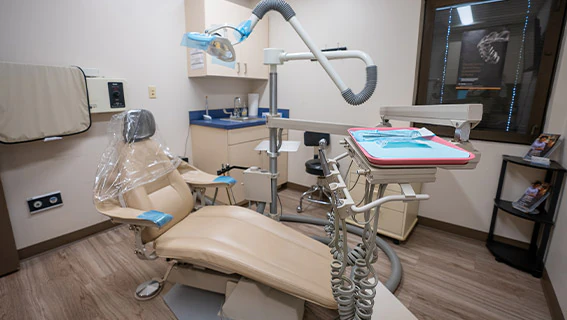
Ramos Dental Care is a Jacksonville practice offering both general and cosmetic dentistry services relevant to replacing old, dark-edged dental crowns.
What Are the Step-by-Step Stages of Replacing an Old Crown?
Replacing a crown follows clear steps designed to protect tooth structure and deliver the best cosmetic outcome:
- Consultation: Your dentist evaluates the crown, gum health, and discusses goals and options.
- Preparation: The old crown is removed and the tooth is prepared for the new restoration.
- Impression Taking: Precise impressions or digital scans capture the exact shape for the new crown.
- Crown Fabrication: A custom crown is made to match your bite, color, and shape.
- Final Placement: The crown is fitted, adjusted, and permanently bonded for optimal comfort and function.
Following these steps helps ensure a crown that meets both cosmetic and functional expectations.
What Modern Techniques Do Jacksonville Cosmetic Dentists Use?
Cosmetic dentists in Jacksonville use several contemporary tools to improve precision and predictability:
- Digital Imaging: High-resolution imaging aids planning and helps you preview potential outcomes.
- CAD/CAM Systems: Computer-aided design and milling allow creation of accurate, well-fitting crowns — sometimes in a single visit.
- Laser Treatments: Lasers can refine gum shape and improve the final appearance around the crown.
These technologies make the process more efficient and often produce a more predictable cosmetic result.
What Are the Benefits of Choosing All-Ceramic Crowns for Replacement?
All-ceramic crowns offer several clear advantages:
- Aesthetic Appeal: They closely mimic natural teeth for a seamless look.
- Durability: Modern ceramics are designed to resist wear and provide long service life.
- Customization: Color, translucency, and shape can be matched precisely to your existing teeth.
For many patients, these benefits make all-ceramic crowns the preferred cosmetic solution.
| Benefit | Description | Impact Level |
|---|---|---|
| Aesthetic Appeal | Mimics natural teeth | High |
| Durability | Long-lasting and wear-resistant | High |
| Customization | Tailored to individual needs | Medium |
This table highlights the practical benefits patients can expect when choosing all-ceramic crowns.
How Do Metal-Free Crowns Improve Aesthetics and Patient Satisfaction?
Metal-free crowns, especially all-ceramic options, remove the risk of visible dark lines and offer a closer match to natural dentition. Patients usually report higher satisfaction due to improved appearance, biocompatibility, and comfort. In many cases, metal-free restorations also allow dentists to preserve more natural tooth structure.
Research underlines these advantages, noting that metal-free restorations improve aesthetics while also offering benefits for durability and tooth conservation.
Benefits of Metal-Free Dental Crowns for Aesthetics & Durability
Removing metal removes the dark, opaque substructure that doesn’t occur in natural teeth. As materials evolved, aesthetic goals were achieved, and metal-free restorations also addressed other important concerns that metal-supported options didn’t, including conserving tooth structure, wear compatibility, strength and durability, and improved bondability.
Metal-Free Restorative Dentistry "It's More Than Just About Aesthetics", 2014
What Clinical Studies Support All-Ceramic Crown Longevity?
Clinical studies show that well-made all-ceramic crowns can last a decade or more with proper care. Advances in ceramic materials and bonding techniques have strengthened their long-term performance, giving patients confidence in choosing metal-free restorations for both front and back teeth.
How Much Does Dental Crown Replacement Cost in Jacksonville, FL?
Crown replacement costs in Jacksonville vary depending on material choice and case complexity. As a general range, expect roughly $800 to $2,500 for a single crown replacement. Final cost depends on the material selected, the dentist’s level of expertise, and any additional treatments needed to prepare the tooth.
What Factors Affect the Cost of Crown Replacement?
Key factors that influence cost include:
- Material Choice: All-ceramic crowns often cost more than metal-based options because of their cosmetic advantages.
- Procedure Complexity: Additional work like root canals or gum contouring will increase the total cost.
- Location: Prices can vary by region and by whether the practice operates in an urban center.
Knowing these variables helps you plan and budget for treatment.
Are Financing Options Available for Cosmetic Crown Replacement?
Many practices, including Ramos Dental Care, provide financing options or payment plans to make cosmetic crown replacement more manageable. Insurance coverage varies, and third-party financing may be available. Ask your dental office about options that fit your budget and timeline.
How Should Patients Care for New Cosmetic Crowns After Replacement?
To protect a new crown and extend its lifespan, follow these basic care steps:
- Maintain Oral Hygiene: Brush twice daily and floss to prevent decay along the crown margin.
- Schedule Regular Check-Ups: Routine exams and cleanings let your dentist monitor the crown and surrounding tissue.
- Avoid Hard Foods: Be cautious with very hard or sticky items that could chip or dislodge the crown.
With consistent care, crowns can remain functional and attractive for many years.
What Are Best Practices for Maintaining All-Ceramic Crowns?
Best practices include:
- Regular Cleaning: Use a non-abrasive toothpaste and a soft-bristled brush to avoid surface wear.
- Avoid Staining Foods: Limit foods and drinks that stain, such as coffee and red wine, especially right after placement.
- Routine Dental Visits: Professional check-ups and cleanings help preserve both the crown and natural teeth.
These habits help keep all-ceramic crowns looking their best over time.
When Should Patients Schedule Follow-Up Visits With Their Jacksonville Dentist?
We typically recommend a follow-up within about six months after crown placement so the dentist can check fit, bite, and gum health. If you notice sensitivity, discomfort, or changes in the crown between visits, contact your dentist right away to address any concerns early.
For smile-enhancing options, explore cosmetic dentistry jacksonville services.
Frequently Asked Questions
What should I expect during the consultation for crown replacement?
During your consultation, the cosmetic dentist will review your existing crowns, examine gum and tooth health, and talk through your cosmetic goals. X-rays or scans may be taken to check the underlying tooth. This appointment is the time to ask about materials, timelines, and how the final result will look so you feel confident moving forward.
How long does the crown replacement procedure typically take?
A typical visit for crown replacement takes about one to two hours, depending on complexity. That covers removing the old crown, preparing the tooth, and taking impressions or digital scans. If a temporary crown is needed, placement may add time. A separate follow-up visit is usually needed to fit the permanent crown.
Are there any risks associated with crown replacement?
As with any dental treatment, risks include temporary sensitivity, discomfort, or, rarely, an allergic reaction to materials. A crown may need adjustment if the fit or bite isn’t perfect. Serious complications are uncommon, especially when an experienced cosmetic dentist follows established protocols.
How can I choose the right cosmetic dentist for crown replacement?
Look for a dentist with specific cosmetic training and a portfolio of before-and-after cases. Read patient reviews and ask about experience with the materials and techniques you prefer. A good cosmetic dentist will listen to your goals, explain options clearly, and show examples of similar work.
What should I do if I experience discomfort after getting a new crown?
Contact your dentist promptly if discomfort persists. Some soreness is normal as you adjust, but ongoing pain can indicate a poor fit or another issue. Early evaluation allows your dentist to make adjustments or recommend treatment so the crown functions comfortably.
Can I eat normally after getting a new crown?
It’s best to avoid hard or sticky foods for at least 24 hours after crown placement so cement can set fully. Start with softer foods and avoid chewing on the treated side until your dentist confirms the crown is secure. Once cleared, you can generally return to a normal diet with mindful care for very hard items.
Conclusion
Updating old, dark-edged crowns with modern all-ceramic restorations can dramatically improve both the look and function of your teeth. Understanding the options, procedures, and upkeep helps you choose the right solution for your smile. If you’re considering a replacement, speak with a qualified cosmetic dentist to review options and next steps. Contact us to learn more about services and to schedule a consultation.


