

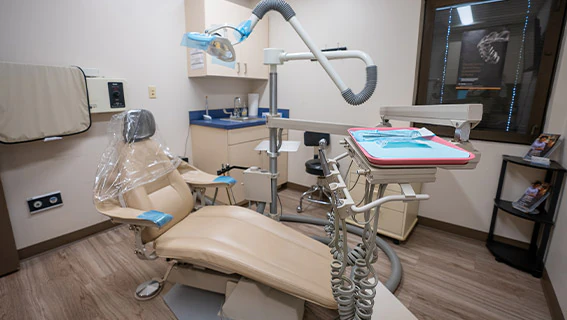
A bright, healthy smile starts early. This guide gives clear, practical tips to help you care for your child's teeth—from the first dental visit to everyday brushing and cavity prevention. Many parents wonder when to begin dental care and how to keep it up as kids grow. Follow these simple steps to reduce dental problems and build good habits. We'll cover when to schedule that first appointment, easy brushing and flossing routines, ways to prevent cavities, common childhood dental concerns, and how Ramos Dental Care PA can support your family.
When Should My Child Have Their First Dental Visit?
The first dental visit is an important early step. We recommend children see a dentist by their first birthday or within six months after their first tooth appears. Early checkups create a dental home, allow for prevention-focused care, and give parents practical guidance on everyday oral care. Starting early helps reduce the risk of early childhood cavities and sets a positive tone for future visits.
Why Is the First Dental Visit Important for Infants and Toddlers?
That first visit lets the dentist check how your child's mouth is developing, answer questions about teething, and talk through feeding and snacking habits that affect teeth. When care starts early, small concerns are easier to treat and parents feel more confident. Kids who have gentle early visits often feel less anxious at the dentist as they grow.
Studies consistently show that early dental care can shape a child's long-term oral health for the better.
Importance of Early Dental Visits & Parental Counseling
Oral health is a vital part of overall infant health. An early dental visit is important in rendering prevention oriented intervention and parental counselling regarding the oral health.
The first dental visit, P Nepal, 2013
How to Prepare Your Child for Their First Appointment at Ramos Dental Care PA
A little preparation makes the first visit smoother. Explain in simple terms what will happen—"the dentist will count your teeth and make sure they're healthy"—and bring a favorite toy for comfort. Have your insurance and any paperwork ready, and arrive a few minutes early to check in without rush. Our team will walk you through each step and answer your questions.
What Are the Best Brushing and Flossing Techniques for Children?
Teaching good brushing and flossing starts as soon as the first tooth appears. Use a soft-bristled brush and a tiny smear of fluoride toothpaste (about the size of a grain of rice) for kids under three. Supervise brushing until your child can clean effectively on their own—usually around age six or seven. Start flossing when two teeth touch, often around ages two to three.
The research supports using the right amount of fluoride toothpaste for safe, effective cavity prevention in children.
Fluoride Toothpaste Efficacy & Safety for Children
This review was to study the effectiveness the use of fluoride and fluoridated toothpaste, also their safety in children. Coming to the individual methods of fluoride use, fluoride toothpastes and rinses are most commonly used.
Fluoride, Fluoridated Toothpaste Efficacy And Its Safety In Children-Review., M Ramakrishnan, 2018
How to Brush Your Child's Teeth Effectively: Step-by-Step Guide
- Choose the Right Tools: Use a soft-bristled toothbrush and fluoride toothpaste.
- Positioning: Have your child sit or stand comfortably, ideally in front of a mirror.
- Brushing Technique: Use gentle circular motions to clean the front, back, and chewing surfaces.
- Duration: Brush for at least two minutes to cover all areas.
- Rinse: Have your child spit and rinse with water when finished.
Practicing these steps together helps make brushing a reliable part of your child's routine.
When and How Should Kids Start Flossing for Optimal Oral Hygiene?
Begin flossing once teeth touch—usually around two or three years old. Floss removes food and plaque between teeth where a brush can't reach. To floss well:
- Use the Right Amount: Cut about 18 inches of floss.
- Technique: Wrap the ends around your fingers, leave a short section between them, slide gently between teeth, and curve the floss around each tooth in a C-shape.
- Frequency: Floss once a day, ideally before bedtime.
Regular flossing helps lower the chance of cavities between teeth.
How Can Parents Prevent Cavities and Tooth Decay in Kids?
Keeping cavities at bay combines regular dental visits, good home care, and healthy eating. Routine check-ups, daily brushing and flossing, and limiting sugary snacks and drinks all make a big difference. Small, consistent habits add up to strong oral health.
What Role Do Fluoride Treatments and Dental Sealants Play in Cavity Prevention?
Fluoride treatments and dental sealants are two effective ways to protect growing teeth. Fluoride helps strengthen enamel, and sealants cover the deep grooves of back teeth where decay often starts. Both are commonly used during dental visits and are safe tools to prevent cavities, especially for kids at higher risk.
A combination of hygiene, fluoride, and sealants is often recommended for strong protection against caries in children.
Comprehensive Caries Prevention Strategies for Children
For caries prevention, oral hygiene measures, fluoride application, pit-and-fissure sealants, the use of xylitol, the development of a dental caries vaccine, and the role of the primary caregiver for infants are briefly discussed.
Diagnosis and prevention strategies for dental caries, 2013
How Does a Healthy Diet Impact Children's Oral Health?
What kids eat affects their teeth. Foods with calcium, phosphorus, and vitamins A, C, and D support strong teeth and gums. Encourage:
- Dairy Products: Milk, cheese, and yogurt help provide calcium for healthy teeth.
- Fruits and Vegetables: Crunchy produce can help clear food from teeth and boost nutrition.
- Whole Grains: Whole grains are a better choice than sticky, sugary snacks.
Limiting sugary drinks and treats reduces cavity risk and supports better dental health.
What Are Common Pediatric Dental Issues and How Should Parents Respond?
Knowing common childhood dental concerns helps you act quickly and confidently. Frequent issues include toothaches, dental emergencies, and the effects of thumb sucking or pacifier use.
How to Recognize and Manage Toothaches and Dental Emergencies in Children
Tooth pain can signal cavities or infection. Look for signs like persistent pain, swelling, or sensitivity. For mild pain, rinse with warm salt water and use a cold compress to reduce swelling. If pain continues, call your dentist. For emergencies—like a knocked-out tooth—keep the tooth moist (milk or saliva is fine) and get urgent dental care right away.
What Are the Effects of Thumb Sucking and Pacifier Use on Oral Development?
Thumb sucking and pacifiers comfort many young children, but prolonged use can affect tooth alignment and mouth shape. We recommend encouraging stopping by age 3 to 4. Gentle encouragement, rewards, and replacing the habit with other comforts can make the change easier.
Why Choose Ramos Dental Care PA as Your Land O' Lakes Pediatric Dentist?
Finding the right pediatric dentist makes visits easier for both kids and parents. Ramos Dental Care PA provides a warm, child-centered environment and care tailored to young patients. Our team works to make appointments calm, clear, and even a little fun.
What Makes Our Child-Friendly Dental Practice Unique?
At Ramos Dental Care PA we focus on a welcoming space and team members trained in pediatric care. We use gentle techniques and explain things in kid-friendly ways so children feel safe and parents feel informed. Our goal is positive, long-lasting dental experiences for your family.
How to Schedule and Prepare for Your Child’s Visit at Ramos Dental Care PA
- Schedule an Appointment: Call Ramos Dental Care at (904) 232-8724 or visit their website to set up a visit.
- Complete Patient Forms: Fill out any patient forms ahead of time if they're available online.
- Prepare Your Child: Talk about the visit in simple, reassuring terms so your child knows what to expect.
- Bring Necessary Documents: Bring insurance details and identification if needed.
- Arrive Early: Plan to arrive a few minutes early to finish check-in without rushing.
If you have specific questions, feel free to contact our office — we're here to help.
Frequently Asked Questions
What are the signs that my child may need to see a dentist sooner than their scheduled appointment?
See a dentist sooner if your child has ongoing tooth pain, gum swelling, or strong sensitivity to hot or cold. Other warning signs are trouble chewing, visible holes or dark spots on teeth, or changes in how their teeth fit together. Any unusual lumps, sores, or discoloration should be checked promptly.
How can I encourage my child to maintain good oral hygiene habits?
Make dental care fun and consistent. Use small rewards like stickers, let kids pick their toothbrush or flavor of toothpaste, and brush together as a family. Turning brushing into a short game or using a timer or song can help build a lasting routine.
What should I do if my child has a dental emergency outside of office hours?
Stay calm and assess the situation. For a knocked-out tooth, hold by the crown (not the root), rinse gently, and try to place it back if possible. If not, keep it moist in milk or saliva and seek emergency dental care. For severe pain or swelling, give age-appropriate over-the-counter pain relief and apply a cold compress while you arrange urgent care.
Are there specific foods I should avoid to protect my child's teeth?
Limit sugary snacks, candy, and sodas—these raise the risk of cavities. Sticky sweets like gummies cling to teeth and are harder to remove. Offer healthier swaps like fruits, vegetables, and dairy, which support dental health.
How often should my child visit the dentist for check-ups?
Most children do well with check-ups every six months for cleanings and exams. If your child has a history of cavities or other concerns, your dentist may suggest visits more often. Follow the personalized schedule your dental team recommends.
What are the benefits of using fluoride toothpaste for children?
Fluoride toothpaste helps strengthen tooth enamel and lowers the risk of decay. It can reverse early enamel breakdown and reduce cavities when used correctly. For children under three, use a smear about the size of a grain of rice to balance safety and effectiveness.
Conclusion
Caring for your child's teeth now pays off for years to come. With early check-ups, consistent brushing and flossing, and smart prevention like fluoride and sealants, you can help your child keep a healthy smile. Choosing a pediatric-friendly practice like Ramos Dental Care PA means your child gets gentle, experienced care in a welcoming setting. Ready to take the next step? Schedule an appointment and let us help protect your child's smile.


