

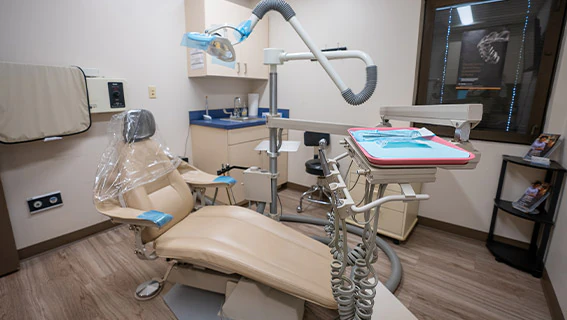
Dental sealants are an established preventive intervention in pediatric dentistry that reduce the incidence of occlusal caries. These thin resin coatings are placed on the occlusal (chewing) surfaces of molars, where fissures and pits trap food and plaque. By creating a physical barrier over those vulnerable areas, sealants lower the risk of dental decay and form an integral component of a child’s preventive oral care. Consulting a preventative dentist jacksonville fl can help families in Jacksonville determine the right timing and suitability for sealant application. This article outlines the indications, benefits, clinical application, and parental considerations for sealants, with specific context for families in Jacksonville, FL.
Necessity of Dental Sealants
Sealants are particularly important for preventing occlusal caries in permanent and, when indicated, primary molars. They form a protective barrier that reduces exposure of enamel to cariogenic plaque and acids. The American Dental Association advises placement of sealants when permanent molars erupt, commonly at approximately six and twelve years of age. Early placement supports sustained oral health and reduces the need for restorative procedures later in childhood and adolescence.
Research further emphasizes the strategic importance of sealants in addressing the prevalent pattern of decay in children's teeth.
Rationale for Dental Sealant Use in Schoolchildren
Pit-and-fissure sealants are polymer resin materials applied to caries-susceptible occlusal surfaces to prevent decay. Although overall caries prevalence among United States schoolchildren has declined, a larger proportion of lesions now occur on pit-and-fissure surfaces, supporting the targeted use of sealants for prevention.
Prevention of dental caries by the use of pit-and-fissure sealants, JA Weintraub, 1987
Benefits of Dental Sealants
The clinical benefits of sealants include measurable cavity prevention, prolonged protective effect with appropriate maintenance, and cost savings by avoiding restorative treatment. Collectively, these advantages support their inclusion in preventive care plans for children.
- Cavity Prevention: Sealants can reduce the risk of cavities by up to 80% in molars.
Scientific reviews consistently affirm the significant role of sealants in preventing dental caries in young patients.
Clinical Effectiveness of Sealants for Caries Prevention in Children
Considering the limitations identified in the umbrella review, current evidence indicates that sealants are effective for caries prevention in children’s permanent molars compared with no treatment. Additional high-quality randomized controlled trials would further clarify effectiveness in primary and permanent dentitions.
Clinical effectiveness of pit and fissure sealants in primary and permanent teeth of children and adolescents: an umbrella review, C Boutsiouki, 2024
- Long-Lasting Protection: With proper care, sealants can last several years, providing ongoing defense against decay.
- Cost-Effectiveness: Investing in sealants can save families money by preventing the need for more expensive dental treatments later on.
At Ramos Dental Care PA , we prioritise dental sealants within our preventive services to help maintain healthy dentition and reduce future restorative needs.
Application Process
Placement of a pit-and-fissure sealant is a conservative, non-invasive procedure that is typically painless for children. The technique is rapid and performed chairside.
- Preparation: The dentist will clean the teeth thoroughly to remove any plaque or debris.
- Application: The sealant material is painted onto the chewing surfaces of the molars.
- Curing: A special light is used to harden the sealant, ensuring it bonds effectively to the tooth.
Each tooth usually requires only a few minutes for preparation, placement, and curing, allowing completion during a routine appointment.
Important Considerations for Parents
Parents should review clinical indications, timing, and maintenance requirements when considering sealants for their children.
- Recommended Age: Sealants are most effective when applied soon after the permanent molars emerge.
- Regular Dental Visits: Routine check-ups are essential to monitor the condition of the sealants and overall dental health.
- Home Care Practices: Encouraging good oral hygiene at home, including regular brushing and flossing, will help maintain the effectiveness of the sealants.
What Are Dental Sealants and How Do They Protect Children's Teeth?
Dental sealants consist of a thin resin layer applied to the occlusal surfaces of posterior teeth. The coating occludes grooves and fissures, reducing plaque retention and facilitating hygiene, which decreases susceptibility to caries.
This protective mechanism is crucial, as detailed by dental research explaining how sealants create a barrier against decay.
Dental Sealants: Preventing Caries in Children's Teeth
Pit and fissure sealants are resin materials used to seal deep pits and fissures on occlusal surfaces where decay most frequently develops in children and adolescents. These anatomical features retain food debris and bacteria, rendering them difficult to clean and more vulnerable to caries. Application of a pit-and-fissure sealant is a non-invasive preventive measure that reduces food entrapment and bacterial colonisation by forming a protective barrier.
Sealants for preventing dental caries in primary teeth, A Rath, 2022
How Do Dental Sealants Prevent Molar Cavities in Children?
Sealants create a smooth occlusal surface that limits bacterial and food retention in fissures. Clinical studies report substantially lower caries rates in children with sealants versus those without, reflecting improved protection where routine cleaning is challenging.
Are Dental Sealants Safe and Suitable for Pediatric Patients?
Sealants are widely regarded as safe for pediatric patients. The materials are biocompatible and have undergone safety evaluations. Professional organisations, including the American Academy of Pediatric Dentistry, endorse their use. Individual assessment by a dental professional will determine suitability based on the child's oral health status.
What Are the Benefits of Dental Sealants for Kids in Jacksonville?
In Jacksonville, sealants align with local preventive care initiatives and contribute to lower cavity rates among children. Regional clinicians commonly include sealants as part of comprehensive preventive protocols to support long-term oral health.
How Do Sealants Reduce the Risk of Cavities in Children's Molars?
By providing a durable barrier over pits and fissures, sealants prevent accumulation of plaque and food debris, thereby reducing the incidence of occlusal caries. Evidence indicates sealants can lower cavity rates by up to 80% in treated molars.
What Long-Term Oral Health Outcomes Can Parents Expect?
Children who receive sealants are less likely to develop cavities on treated surfaces, which promotes healthier dentition and gingival tissues over time. This preventive strategy can decrease the need for restorative care and support positive attitudes toward oral hygiene.
How Is the Dental Sealant Application Process Performed at Ramos Dental Care PA?
At Ramos Dental Care PA , the sealant application protocol is efficient and child-focused. Our clinicians follow standardised steps to ensure correct adhesion and patient comfort.
What Are the Steps Involved in Applying Sealants to Children's Teeth?
The procedural sequence for sealant placement includes clinical cleaning, enamel conditioning when indicated, application of the resin material, and light-curing to achieve durable adhesion.
- Cleaning the Teeth: The dentist will clean the teeth to ensure they are free of plaque and debris.
- Applying the Sealant: The sealant material is carefully applied to the chewing surfaces of the molars.
- Curing the Sealant: A special light is used to harden the sealant, ensuring it adheres properly to the tooth.
The procedure is generally completed in a single visit and is painless for most children.
How Do Pediatric Dentists Ensure Comfort and Effectiveness During Application?
Pediatric dentists at Ramos Dental Care PA employ age-appropriate communication, a welcoming clinical environment, and efficient technique to reduce anxiety and ensure accurate placement of sealants.
What Is the Cost of Tooth Sealants in Florida and How Does Insurance Coverage Work?
Sealant fees in Florida vary by clinician and materials used; typical ranges are provided to assist budgeting. Many dental benefit plans classify sealants as preventive care and offer coverage for paediatric patients.
How Much Do Dental Sealants Typically Cost in Jacksonville, FL?
In Jacksonville, the average fee for a dental sealant is approximately $40 per tooth. This preventive investment can lower the likelihood of future, higher-cost restorative procedures.
Which Insurance Plans Commonly Cover Pediatric Dental Sealants?
The majority of dental insurance plans provide coverage for paediatric sealants. Families should verify specific plan terms and any applicable co-payments with their insurer.
How Do Dental Sealants Compare to Fluoride Treatments for Preventing Cavities in Children?
Sealants and topical fluoride each contribute to caries prevention through complementary mechanisms: sealants provide a physical obstruction of fissures, whereas fluoride supports enamel remineralisation and resistance to acid attack.
What Are the Differences Between Sealants and Fluoride Treatments?
- Application Method: Sealants are applied directly to the teeth, while fluoride treatments can be applied as a gel, foam, or varnish.
- Mechanism of Action: Sealants physically block food and bacteria, whereas fluoride helps to remineralize and strengthen the enamel.
- Recommended Age: Sealants are typically applied when molars emerge, while fluoride treatments can be used at various stages of dental development.
When Should Parents Choose Sealants Over Fluoride or Use Both?
In many cases both interventions are appropriate as part of a comprehensive preventive plan. Sealants are particularly indicated for teeth with deep fissures; fluoride remains valuable for systemic and topical enamel strengthening. Consultation with a paediatric dentist will clarify the optimal regimen for an individual child.
What Oral Hygiene Tips Support the Effectiveness of Dental Sealants in Kids?
Consistent oral hygiene and regular professional review maximise the longevity and protective effect of sealants. Parental supervision and reinforcement of daily habits are essential.
- Regular Brushing: Encourage children to brush their teeth at least twice a day with fluoride toothpaste.
- Flossing: Teach children to floss daily to remove food particles and plaque from between their teeth.
- Routine Dental Visits: Schedule regular check-ups with a pediatric dentist to monitor dental health and the condition of sealants.
How Can Parents Maintain Their Child’s Oral Health After Sealant Application?
After placement, parents should continue to supervise brushing and flossing, encourage a balanced diet with limited sugary snacks, and maintain scheduled dental examinations and professional cleanings.
What Are Recommended Daily Practices to Prevent Cavities in Children?
Daily measures to reduce caries risk include limiting sugary foods and drinks, promoting regular water consumption, and supporting a nutrient-rich diet that favours dental health.
- Limit Sugary Snacks: Reduce the intake of sugary foods and beverages that can contribute to tooth decay.
- Encourage Water Intake: Drinking water, especially fluoridated water, can help wash away food particles and bacteria.
- Promote Healthy Eating: A balanced diet rich in fruits, vegetables, and whole grains supports overall dental health.
By implementing these practices, parents can help ensure their children maintain healthy smiles for years to come.
For more information on preventative dental care, contact our office today.
Frequently Asked Questions
What age is best for children to receive dental sealants?
The recommended timing for sealant placement is shortly after eruption of the permanent molars, typically near six and twelve years of age. These teeth are at increased risk of occlusal caries during eruption and early use; early placement provides protective benefit. A paediatric dentist can advise on timing based on the child's eruption pattern and caries risk.
How long do dental sealants last?
Sealants commonly remain effective for several years, often between five and ten years, depending on oral hygiene, occlusal wear, and bite forces. Regular dental assessments allow clinicians to identify wear or failure and reapply sealants when indicated to preserve protection.
Can dental sealants be applied to baby teeth?
Sealants may be applied to primary teeth when fissure morphology and caries risk warrant protection. Although primary teeth are temporary, preventing decay can reduce pain, infection, and premature loss that may affect space maintenance for permanent dentition.
Are there any side effects associated with dental sealants?
Sealants are generally well tolerated. Some patients may experience short-term sensitivity following application, particularly if pre-existing dental conditions are present. Concerns about sealant materials should be discussed with the treating dentist, who can review benefits and any potential risks.
How do I know if my child needs dental sealants?
Determination of need is made during a clinical examination. The dentist will evaluate fissure anatomy, eruption status, and caries risk. Teeth with deep pits and fissures that are difficult to clean are common candidates for sealant application.
Can dental sealants be reapplied if they wear off?
Yes. During routine examinations the clinician will assess existing sealants and, if necessary, remove compromised material and reapply a new layer to restore protective coverage. Reapplication is a straightforward, minimally invasive procedure.
Conclusion
Dental sealants are an effective preventive measure that substantially reduce the risk of occlusal caries in children’s molars and support long-term oral health. By providing a barrier against decay, sealants can decrease the need for restorative treatment and foster positive preventive habits. Parents in Jacksonville are advised to consult a paediatric dentist to discuss sealant eligibility and timing for their children. For further guidance on maintaining your child’s dental health, please contact our office.


