

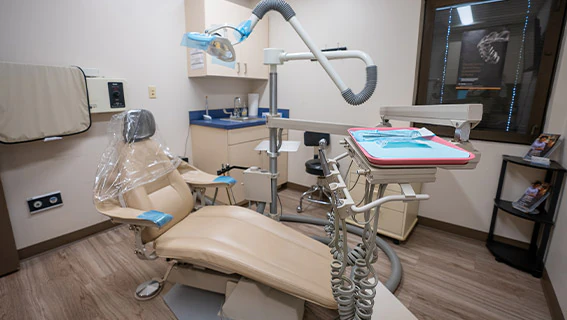
Jaw clicking and popping are distressing symptoms of temporomandibular joint (TMJ) disorders that can impair daily function and quality of life. Understanding the underlying mechanisms and available treatment modalities is essential for patients who experience these signs. This article examines the biomechanics of jaw sounds, the diagnostic pathways used in Jacksonville dental practices, and current therapeutic options. We also describe the role of custom TMJ mouthguards and outline typical costs. By the end, readers will have a clear overview of TMJ disorders and the treatments offered by Ramos Dental Care PA.
What Causes Jaw Clicking and Popping in TMJ Disorders?
Jaw clicking and popping commonly indicate dysfunction of the temporomandibular joint or the masticatory musculature. These noises frequently result from disc displacement, joint subluxation, occlusal malalignment, or increased muscle tone. Trauma to the mandible can precipitate joint dysfunction, while dental misalignment can increase joint loading. Stress-related muscle tension may also contribute, so effective management often addresses both physical and behavioral factors.
Identifying the primary etiology enables clinicians to select targeted interventions that address both the presenting symptoms and their underlying causes.
How Are TMJ Disorders Diagnosed in Jacksonville Dental Practices?
Diagnosis requires a systematic evaluation that includes a comprehensive medical and dental history and a focused clinical examination. Dentists in Jacksonville typically assess mandibular range of motion, joint sounds, and muscular tenderness. When indicated, imaging studies are used to evaluate osseous and soft‑tissue structures. This diagnostic algorithm supports formulation of an individualised treatment plan.
Clinical evidence highlights the value of imaging modalities such as MRI and CT for accurate assessment of temporomandibular joint pathology.
TMJ Disorder Diagnosis: Imaging Modalities Explained
The diagnosis and management of temporomandibular disorders (TMD) require both clinical and imaging examinations of the temporomandibular joint (TMJ). A variety of modalities can be used to image the TMJ, including magnetic resonance imaging (MRI), computed tomography (CT), cone beam CT, ultrasonography, and conventional radiography. The present review outlines the indications of the most frequently used imaging techniques in TMD diagnosis.
Imaging modalities for temporomandibular joint disorders: an update, LM Lenghel, 2018
A detailed medical history provides information on prior injuries, dental procedures, parafunctional habits, and other risk factors that may contribute to TMJ disorders. Physical examination concentrates on mandibular mechanics and points of tenderness to localise the source of discomfort.
What Are the Best TMJ Disorder Treatment Options for Jaw Clicking and Popping?
Several evidence‑based treatment modalities can reduce symptoms and restore mandibular function. Primary options include:
- Physical Therapy: Targeted exercises can help strengthen jaw muscles and improve flexibility, reducing pain and discomfort.
- Dental Splints: These devices stabilize the jaw and prevent grinding or clenching, which can exacerbate symptoms.
- Medication Management: Over-the-counter pain relievers or prescription medications can help manage pain and inflammation associated with TMJ disorders.
Individual therapies provide specific benefits; combined modalities often yield superior outcomes. A dental clinician will recommend a treatment plan tailored to the patient's diagnosis, functional goals, and preferences.
Clinical research supports the effectiveness of physical therapy and occlusal splint therapy in reducing pain associated with TMJ clicking.
TMJ Clicking Treatment: Splint & Physical Therapy Efficacy
A randomized clinical trial compared three interventions — anterior positioning splint therapy, physical therapy alone, and physical therapy in addition to splint therapy — in patients with painful temporomandibular joint clicking. Sixty patients suffering from acute pain and dysfunction were randomly allocated to three groups of 20. Outcomes were assessed before and after treatment using a visual analogue scale (VAS) and digital palpation of joint sounds. The data were analyzed using the Kruskal-Wallis, one-way ANOVA and Tukey tests at a significance level of P< 0.05. Compared with baseline, subjective pain decreased significantly (P< 0.05) in all three groups.
Comparison of three treatment options for painful temporomandibular joint clicking, A Mirmortazavi, 2011
How Do Custom TMJ Mouthguards Provide Jaw Pain Relief and Symptom Control?
Custom‑fabricated TMJ mouthguards are designed to accommodate individual occlusal relationships and parafunctional habits. These appliances reduce nocturnal bruxism and clenching, reposition the mandible when indicated, and thereby decrease mechanical load on the temporomandibular joint.
Periodic review ensures an optimal fit and allows occlusal adjustments. Ongoing monitoring permits modification of therapy to sustain symptom control and improve functional outcomes.
How Much Do TMJ Treatments Cost and Are They Covered by Insurance in Jacksonville?
The cost of TMJ care varies by modality and clinical complexity. For example, physical therapy sessions commonly range from $50 to $150 per visit, while custom TMJ mouthguards typically range from $300 to $800 depending on laboratory work and case complexity. Insurance coverage for TMJ interventions varies by plan; patients should verify benefits with their insurer to estimate potential out‑of‑pocket expenses.
Clinics may offer financing arrangements or payment plans to assist patients with treatment expenses; discuss these options during the consultation.
What Do Patients Say About TMJ Solutions at Ramos Dental Care PA in Jacksonville?
Patient testimonials report meaningful symptom reduction following individualized treatment plans at Ramos Dental Care PA. Many patients note improved jaw function and reduced pain, attributing progress to comprehensive assessment and coordinated care by the clinical team.
For detailed information on available services, visit our services page.
Patient feedback contributes to quality improvement and may encourage others to seek appropriate care. The positive outcomes described by former patients reflect the practice's emphasis on evidence‑based, patient‑centred TMJ management.
| Treatment Option | Description | Estimated Cost |
|---|---|---|
| Physical Therapy | Strengthening exercises for jaw muscles | $50 - $150 per session |
| Custom Mouthguards | Stabilizes jaw and prevents grinding | $300 - $800 |
| Medication Management | Pain relief and inflammation control | Varies by prescription |
This table summarizes the principal treatment options, their descriptions, and estimated costs to assist patients in evaluating care alternatives.
Ramos Dental Care, PA provides orofacial pain treatment in Jacksonville.
Addressing jaw clicking and popping requires a multidisciplinary approach. By understanding the causes, diagnostic options, and available therapies, patients can take proactive steps toward symptom relief. For those in Jacksonville, Ramos Dental Care PA provides a range of tailored solutions to deliver comprehensive care and support.
Frequently Asked Questions
What lifestyle changes can help alleviate TMJ symptoms?
Specific lifestyle modifications may reduce TMJ symptoms. Implementing structured stress‑reduction techniques, such as relaxation or mindfulness practices, can lower masticatory muscle tension. Avoiding hard or chewy foods reduces mandibular loading. Regular performance of gentle, prescribed jaw exercises can improve flexibility. Attention to posture, particularly during prolonged desk work, mitigates cervical and mandibular strain. These measures, combined with professional treatment, support better symptom control.
Are there any home remedies for TMJ pain relief?
Several home measures can provide temporary relief. Warm compresses relax tense muscles; cold packs reduce inflammation and provide analgesia. Over‑the‑counter analgesics such as ibuprofen or acetaminophen may be used according to dosing instructions. Relaxation exercises and gentle jaw stretches can lessen discomfort. These measures are adjunctive and should not replace professional evaluation for persistent or chronic TMJ conditions.
How long does it typically take to see improvement with TMJ treatments?
The timeline for improvement varies by individual and treatment modality. Some patients experience relief within a few weeks of initiating conservative care, particularly with targeted physical therapy or appliance therapy. More complex or chronic conditions may require several months to demonstrate significant improvement. Regular follow‑up with the treating clinician is essential to monitor progress and adjust the treatment plan as needed.
Can TMJ disorders lead to other health issues?
Untreated TMJ disorders can affect nutrition, speech, and sleep quality, and may contribute to secondary symptoms such as tension‑type headaches, neck pain, and otologic sensations due to regional anatomical relationships. Early diagnosis and management reduce the risk of these complications and support overall well‑being.
What should I expect during a TMJ consultation?
During a TMJ consultation you should expect a comprehensive evaluation. The clinician will review your medical and dental history, discuss symptoms, and perform a focused examination of mandibular function. Assessment includes range of motion, joint sounds, and areas of tenderness. When indicated, imaging such as radiographs or MRI may be recommended to evaluate bony and soft‑tissue structures. These findings inform an individualized treatment plan.
Are there any specific exercises recommended for TMJ relief?
Targeted exercises can improve jaw mobility and reduce muscle tension. Recommended exercises include controlled mandibular opening and closing, lateral excursions, and gentle self‑massage of the masseter and temporalis muscles. Exercises should be performed as directed and under professional guidance to ensure they are safe and appropriate for the patient's condition.
Conclusion
Effective management of jaw clicking and popping can substantially improve daily comfort and mandibular function. Patients benefit from a structured diagnostic workup and a tailored treatment strategy. Ramos Dental Care PA offers personalized TMJ care in Jacksonville; contact the practice to discuss assessment and management options. Scheduling an appointment is the first step toward reduced pain and improved function.


