

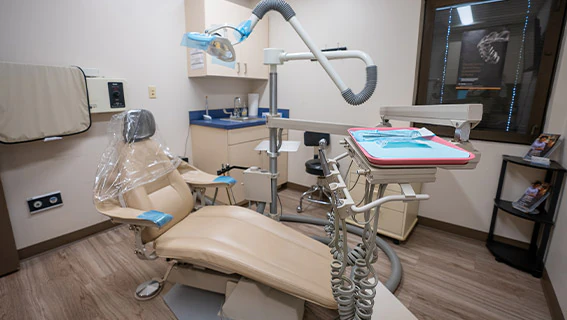
Temporomandibular joint (TMJ) disorders and orofacial pain may substantially reduce daily function and cause persistent discomfort. A clear understanding of non-surgical treatment modalities supports effective clinical management. This overview describes the non-invasive strategies provided at Ramos Dental Care PA, emphasising patient-centred care and evidence-informed approaches. Readers will find information on common aetiologies and clinical signs of TMJ disorders, the application of oral appliance therapy, and adjunctive treatments that support pain control. The intent is to inform patients about options for managing TMJ and orofacial pain safely and effectively.
Treatment Options
Non-surgical approaches for TMJ and orofacial pain comprise several evidence-based interventions aimed at symptom reduction and functional improvement. Typical options include structured physical therapy, pharmacologic pain management, and custom dental splints such as occlusal appliances. Each modality addresses distinct biomechanical or myofascial factors to deliver tailored care.
At Ramos Dental Care PA, our emphasis is on non-invasive, patient-focused management of TMJ disorders and facial pain. Clinical care begins with a comprehensive evaluation to identify contributing factors and to inform an individualized treatment plan.
Patient Care Strategies
Comprehensive patient care for TMJ disorders requires systematic assessment, targeted patient education, and a personalised treatment programme. Thorough history-taking and clinical examination enable clinicians to formulate interventions that address specific signs and symptoms.
Ramos Dental Care PA is committed to personalised care coordination, ensuring each patient receives appropriate follow-up, education, and support throughout the treatment process. This approach optimises the effectiveness of non-surgical therapies.
Management Techniques
Effective long-term management of TMJ and orofacial pain treatment in Jacksonville typically combines several techniques to maintain symptom control. Scheduled follow-up visits, supportive care measures, and interdisciplinary collaboration with relevant specialists are central to a durable management plan.
A coordinated, comprehensive management strategy can improve clinical outcomes and enhance patient quality of life.
What Are the Causes and Symptoms of TMJ and Orofacial Pain?
TMJ disorders may result from a range of causes, including trauma to the jaw, degenerative joint disease, and parafunctional activity such as bruxism. Typical symptoms include localized jaw pain, cephalalgia, and masticatory difficulty. Early recognition of these features facilitates timely assessment and intervention.
How Does TMJ Disorder Affect Jaw Function and Facial Comfort?
TMJ pathology can produce substantial pain and functional impairment. Patients frequently report masticatory pain, reduced mandibular range of motion, and associated headaches or facial discomfort, all of which can limit routine activities and daily comfort.
What Are Common Signs Indicating the Need for TMJ Evaluation?
Identifying indications for TMJ assessment is important for early management. Persistent mandibular pain, otalgia related to jaw movement, audible joint noises, and episodes of mandibular locking are common signs that warrant professional evaluation and diagnostic assessment.
How Does Oral Appliance Therapy Provide Relief for TMJ Disorders?
Oral appliance therapy is a principal non-surgical intervention for TMJ disorders. Custom-fitted devices reposition the mandible and redistribute occlusal forces, thereby reducing joint loading and relieving strain on masticatory musculature to improve comfort and function.
What Types of Custom Oral Appliances Are Used at Ramos Dental Care?
At Ramos Dental Care PA , we provide a range of custom oral appliances, including stabilization splints and occlusal splints. Each appliance is fabricated to the patient’s dental anatomy to maximise comfort, optimise occlusal relationships, and address specific clinical objectives.
What Are the Expected Benefits and Treatment Outcomes of Oral Appliance Therapy?
Expected outcomes of oral appliance therapy include reduced pain, improved mandibular function, and mitigation of progressive joint or muscular damage. Many patients experience measurable symptom reduction and functional gains that contribute to improved daily activities and quality of life.
In What Ways Do Muscle Relaxants Aid in Managing Jaw Pain?
Muscle relaxants can be an adjunctive pharmacologic option to address myofascial pain associated with TMJ disorders. These agents aim to reduce muscle hyperactivity and spasms, thereby decreasing pain and improving mandibular comfort during the acute phase.
Which Muscle Relaxants Are Prescribed for TMJ-Related Pain?
Prescribed muscle relaxants vary according to patient needs and clinical judgement, and they target reduction of muscle spasm and tension. Selection and dosing are individualised to achieve symptom control while minimising adverse effects.
What Are the Usage Guidelines and Potential Side Effects of Muscle Relaxants?
Patients should adhere to prescribed dosing schedules and consult their clinician regarding concomitant medications. Common adverse effects include sedation and dizziness; clinicians evaluate risk–benefit and provide guidance on safe use.
What Complementary Conservative Treatments Support TMJ Pain Management?
Complementary conservative measures may augment primary therapies for TMJ pain. Approaches such as targeted physical therapy, behavioural modifications, and stress-reduction strategies support multimodal management and symptom control.
How Do Physical Therapy and Jaw Exercises Contribute to Symptom Relief?
Structured physical therapy and specific mandibular exercises strengthen masticatory muscles, improve joint mobility, and enhance neuromuscular coordination. These interventions can reduce pain and restore functional capacity when applied under professional supervision.
What Lifestyle Modifications Enhance Non-Surgical TMJ Treatment Success?
Lifestyle adjustments support non-surgical TMJ care by reducing mechanical and behavioural contributors to pain. Recommendations commonly include a soft diet to limit excessive mastication, optimisation of sleep hygiene, and postural corrections to decrease cervical and masticatory strain.
What Are the Benefits and Risks of Conservative TMJ Disorder Treatments?
Conservative management offers benefits such as symptomatic relief and improved function with a lower risk profile than surgical interventions. Patients should recognise potential limitations, including the need for ongoing therapy and variable individual response to treatment.
How Can Patients Schedule a Consultation for Non-Surgical TMJ Treatment at Ramos Dental Care?
Patients seeking non-surgical TMJ care at Ramos Dental Care PA may schedule a consultation through the clinic’s contact channels. Providing a detailed symptom history and relevant medical information in advance facilitates a comprehensive clinical evaluation and enables a focused discussion of appropriate treatment options.
Frequently Asked Questions
What lifestyle changes can help manage TMJ symptoms?
Targeted lifestyle modifications can reduce TMJ symptom burden. Patients are commonly advised to follow a soft-food diet to limit mandibular strain, incorporate stress-management practices such as relaxation training, and maintain ergonomic posture to reduce cervical and masticatory tension. Avoidance of prolonged or repetitive jaw movements, including chewing gum, further supports symptom reduction when combined with clinical treatment.
How long does it typically take to see results from non-surgical TMJ treatments?
The timeline for clinical improvement varies by intervention and individual factors. Some patients report symptom reduction within several weeks of initiating therapies such as oral appliance use or physical therapy, while others require several months to reach optimal benefit. Regular follow-up appointments permit monitoring and adjustment of the treatment plan to achieve the best outcomes.
Are there any specific exercises recommended for TMJ relief?
Specific rehabilitative exercises may be recommended to improve mandibular mobility and reduce muscle tension. Typical exercises include controlled opening and closing, lateral excursions performed slowly, and gentle stretching. Relaxation techniques, including diaphragmatic breathing, can complement exercise. Patients should perform exercises under the guidance of a clinician or physical therapist to ensure correct technique and safety.
Can stress contribute to TMJ disorders, and how can it be managed?
Psychological stress commonly contributes to muscle tension and parafunctional activity that exacerbate TMJ symptoms. Management strategies include mindfulness-based practices, structured breathing exercises, and regular physical activity. Referral to counselling or structured stress-management programmes may be appropriate for patients with significant psychosocial contributors.
What should I expect during my first consultation for TMJ treatment?
The initial consultation typically comprises a detailed history, review of prior treatments, and a focused clinical examination of mandibular range of motion and joint function. Diagnostic considerations may include occlusal assessment and referral for imaging if indicated. The clinician will outline a personalised treatment plan and address patient questions to ensure informed decision-making.
Are there any dietary recommendations for individuals with TMJ disorders?
Dietary modification is a practical component of TMJ management. A soft, low-resistance diet reduces masticatory load and can include foods such as yogurt, blended beverages, puréed vegetables, and soft-cooked items. Patients should avoid hard, chewy, or adhesive foods that increase mechanical strain on the joint. Adequate hydration and balanced nutrition support overall recovery.
Conclusion
A clear understanding of non-surgical options for TMJ and orofacial pain supports informed choices and improved patient outcomes. By considering treatments such as oral appliance therapy, adjunctive pharmacologic agents, and complementary conservative measures, clinicians and patients can identify tailored strategies that address individual needs. Prioritising personalised care at Ramos Dental Care PA promotes optimal results and sustained support throughout the treatment course. Schedule a consultation to initiate evaluation and management aimed at symptom relief and functional improvement.


