

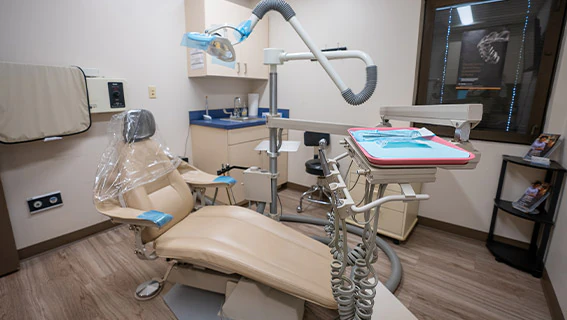
Wearing masks for extended periods can cause "mask breath" and dry mouth (xerostomia). These conditions result from reduced salivary flow and can negatively affect oral health. This article outlines evidence-based strategies to prevent these issues, covering the physiological effects of prolonged mask use, treatment options for xerostomia, and practical oral hygiene measures. Consulting a preventative dentist jacksonville fl can help individuals manage symptoms early and maintain optimal oral health. Understanding the causes and interventions enables individuals to maintain oral health while using masks. We also describe the services offered by RAMOS DENTAL CARE PA, a Jacksonville-based dental practice specializing in general and preventative dental services.
What Causes Mask Breath and Dry Mouth During Prolonged Mask Use?
Prolonged mask use may contribute to dry mouth and halitosis through several physiological pathways. The principal factor is reduced salivary flow, which impairs oral hydration and the neutralisation of acids produced by oral bacteria. When saliva decreases, bacterial proliferation and volatile compound accumulation can produce halitosis. Recognising these mechanisms is important for mitigating discomfort associated with mask use.
How Does Mask Wearing Affect Saliva Production and Oral Hydration?
Mask wearing can reduce salivary secretion and disturb oral hydration. Saliva is essential for clearing debris and controlling the oral microbiota. Altered airflow and breathing patterns while masked can promote oral dryness, increasing discomfort and the risk of dental disease. Systemic dehydration further compromises oral tissues and raises susceptibility to irritation and infection.
What Are the Roles of Xerostomia and Halitosis in Mask Breath?
Xerostomia denotes reduced salivary secretion and may produce symptoms such as difficulty swallowing and speaking. Halitosis frequently accompanies xerostomia because diminished saliva fails to clear bacteria and volatile compounds, resulting in an unpleasant odor. Recognising the interaction between these conditions informs effective prevention and treatment strategies.
Research further underscores the prevalence and clinical impact of halitosis and supports multiple management approaches.
Halitosis Management & Treatment Interventions
Halitosis, or bad breath, denotes a noticeably unpleasant breath odor that may reflect an underlying oral or systemic disease. Between 50% and 60% of the global population have experienced this problem, which can lead to social stigma and reduced self‑confidence. Multiple interventions have been evaluated to control halitosis, ranging from mouthwashes and toothpastes to laser therapies.
Interventions for managing halitosis, SK Nagraj, 2019
Which Effective Xerostomia Treatment Options Can Alleviate Dry Mouth Symptoms?
Several treatment options can alleviate xerostomia symptoms. These range from over‑the‑counter saliva substitutes to prescription sialogogues that stimulate salivary secretion. Consultation with a dental professional is essential to determine the most appropriate approach for each patient.
What Are Recommended Saliva Stimulants and Oral Hydration Remedies?
Saliva stimulants and oral hydration measures can improve comfort for patients with dry mouth. Recommended options include:
- Saliva Substitutes: These products mimic natural saliva and can provide temporary relief.
- Hydration Solutions: Drinking water regularly and using oral hydration gels can help maintain moisture levels.
- Chewing Gum: Sugar-free gum can stimulate saliva production and keep the mouth moist.
When Should Patients Seek Professional Xerostomia Treatment in Jacksonville?
Patients should seek professional evaluation for xerostomia when symptoms persist and impair quality of life. Indicators that warrant dental assessment include:
- Severe dry mouth that does not improve with home remedies.
- Difficulty swallowing or speaking.
- Increased dental issues, such as cavities or gum disease.
RAMOS DENTAL CARE PA offers specialized services for xerostomia and provides individualized treatment plans to address specific patient needs.
How Can Halitosis Prevention Techniques Improve Oral Health in Florida Mask Users?
Preventing halitosis is important for maintaining oral health, particularly among frequent mask users. Effective measures include rigorous oral hygiene, adequate hydration, and the use of dental products formulated to reduce oral malodor.
What Oral Hygiene Practices Reduce Bad Breath Caused by Dry Mouth?
To reduce halitosis related to dry mouth, patients should adopt the following oral hygiene practices:
- Regular Brushing and Flossing: Brushing twice a day and flossing daily helps remove food particles and plaque.
- Using Mouthwash: Antimicrobial mouthwashes can help reduce bacteria in the mouth.
- Staying Hydrated: Drinking plenty of water throughout the day can help maintain saliva production.
Which Dental Products Are Most Effective for Halitosis Prevention?
Several dental products can help prevent halitosis; examples include:
- Mouthwashes: Look for those containing chlorhexidine or cetylpyridinium chloride for their antibacterial properties.
- Toothpaste: Choose toothpaste with baking soda or activated charcoal, which can help neutralize odors.
- Breath Freshening Sprays: These can provide quick relief from bad breath when on the go.
What Are Practical Oral Hygiene Tips for Mask Users to Maintain Saliva Production and Fresh Breath?
Consistent oral hygiene is essential for mask users to prevent xerostomia and halitosis. Practical measures include:
How Does Proper Brushing and Flossing Support Saliva Gland Function?
Proper brushing and interdental cleaning support salivary function by mechanically stimulating oral tissues and reducing bacterial load. Maintaining a clean oral environment helps preserve salivary flow and reduces the production of malodorous compounds.
What Lifestyle Adjustments Help Prevent Dry Mouth While Wearing Masks?
Lifestyle adjustments can reduce the risk of dry mouth during mask use. Consider the following strategies:
- Stay Hydrated: Drink water regularly, especially before and after wearing a mask.
- Limit Caffeine and Alcohol: These substances can contribute to dehydration and should be consumed in moderation.
- Use a Humidifier: Keeping the air moist can help alleviate dryness in the mouth and throat.
Where Can Jacksonville Residents Access Specialized Dental Care for Dry Mouth and Mask Breath?
Jacksonville residents experiencing dry mouth or mask-related halitosis can access specialized dental care. It is advisable to consult a dental professional who understands the clinical complexity of these conditions.
What Services Does Ramos Dental Care PA Provide for Xerostomia and Halitosis?
RAMOS DENTAL CARE PA provides a range of services designed to manage xerostomia and halitosis, including:
- Comprehensive Dental Exams: To assess oral health and identify issues related to dry mouth.
- Customized Treatment Plans: Tailored solutions to manage xerostomia effectively.
- Patient Education: Guidance on maintaining oral hygiene and preventing bad breath.
When Is It Necessary to Consult a Dentist for Persistent Mask Breath Symptoms?
Dental consultation is necessary when mask‑breath symptoms persist despite appropriate home care. Ongoing dry mouth, halitosis, or other oral health concerns require professional evaluation and management to maintain overall oral health.
| Treatment Option | Description | Effectiveness |
|---|---|---|
| Saliva Substitutes | Products that mimic natural saliva | High |
| Prescription Medications | Medications that stimulate saliva production | Moderate |
| Oral Hydration Gels | Gels that provide moisture to the mouth | High |
This table summarizes various treatment options for xerostomia and highlights their relative effectiveness in alleviating dry mouth symptoms. Understanding these options can help individuals make informed decisions about their oral health care.
To ensure comprehensive preventative care , consider scheduling regular check-ups and professional cleanings with your dentist.
Frequently Asked Questions
What are the long-term effects of untreated xerostomia?
Untreated xerostomia increases the long-term risk of dental caries, periodontal disease, and oral infections. Reduced salivary buffering and clearance promote acid challenge and plaque accumulation, which over time can produce significant oral morbidity. Prompt assessment and appropriate treatment are essential.
Can certain foods exacerbate dry mouth while wearing a mask?
Certain foods can exacerbate dry mouth, particularly spicy, salty, or acidic items that irritate the oral mucosa. Sugary snacks encourage bacterial growth and may worsen halitosis. Prefer hydrating foods such as fruits and vegetables and maintain a balanced diet to support oral health while wearing a mask.
How can I tell if my bad breath is due to mask-wearing or another issue?
Evaluate the timing and context of symptoms to distinguish mask‑related halitosis from other causes. If bad breath is present mainly when wearing a mask and improves when unmasked, xerostomia is a likely contributor. Persistent halitosis regardless of mask use suggests dental or systemic causes and warrants professional evaluation.
Are there specific mouthwashes recommended for mask breath?
Antibacterial mouthwashes can be effective for mask-related halitosis. Select products containing chlorhexidine or cetylpyridinium chloride for demonstrated antimicrobial activity. Alcohol‑free formulations are preferable, as they are less likely to exacerbate oral dryness. Regular use as directed supports breath freshness.
What role does hydration play in preventing dry mouth while wearing a mask?
Hydration is fundamental to preventing dry mouth during extended mask use. Adequate water intake sustains salivary secretion, reduces discomfort, and lowers the risk of halitosis. Sip water regularly throughout the day, particularly before and after prolonged periods of mask wear.
Can using a humidifier help with dry mouth symptoms?
A humidifier can help alleviate dry mouth symptoms in low‑humidity environments. Increasing ambient moisture assists in preserving oral tissue hydration and reducing throat and mouth discomfort, especially during sleep or in air‑conditioned spaces.
What should I do if my dry mouth symptoms worsen despite treatment?
If dry mouth symptoms worsen despite treatment, consult a dental professional. Persistent xerostomia may indicate an underlying medical condition or the need for alternative therapies. A dentist can evaluate the condition, recommend adjunctive treatments, and provide follow-up to monitor response.
Conclusion
Addressing mask‑related halitosis and xerostomia is essential to maintain optimal oral health for frequent mask users. Implementing measures such as adequate hydration, meticulous oral hygiene, and appropriate dental products can reduce symptoms and improve patient comfort. Professional assessment enables personalised treatment planning. Take the first step toward improved oral health by exploring the services offered at RAMOS DENTAL CARE PA today.


