

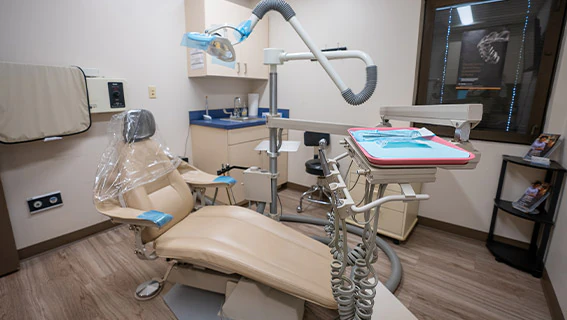
Maintaining a bright, healthy smile is a common priority, but the chosen method directly affects oral health. Although do‑it‑yourself whitening products may seem convenient and less costly, they frequently produce inferior results compared with professional dental cleaning. This article explains why professional cleaning is the preferred option for Jacksonville patients, focusing on clinical benefits, safety, and overall oral‑health impact. Stubborn stains and plaque can progress to more serious conditions if not addressed appropriately. Professional cleaning provides immediate improvement and supports sustained oral health. We compare professional cleaning with at‑home methods and discuss the role of preventative care.
Benefits of Professional Cleaning
Professional dental cleaning provides clear advantages over at‑home whitening. In‑office procedures yield immediate, measurable aesthetic improvement. Trained clinicians use advanced instrumentation and clinical protocols to achieve thorough debridement and polishing beyond the capability of consumer kits. Clinical supervision also reduces the likelihood of adverse effects associated with improper use of whitening products.
| Benefit | Description | Impact Level |
|---|---|---|
| Immediate Results | Professional cleaning provides quick and visible improvements in tooth appearance. | High |
| Safety Assurance | Procedures are conducted under professional supervision, reducing risks. | High |
| Advanced Techniques | Use of specialized tools enhances the effectiveness of stain removal. | High |
This comparison demonstrates that professional cleaning enhances dental aesthetics while prioritizing patient safety and comfort. These advantages provide context for comparing professional care with DIY whitening methods.
Comparisons with DIY Whitening Methods
Comparison of professional cleaning and DIY whitening reveals several distinctions. Professional treatments generally deliver faster, more durable results; over‑the‑counter products commonly fail to meet those outcomes. In addition, DIY whitening carries risks—such as enamel compromise and increased dentinal sensitivity—that may outweigh transient cosmetic gains.
- Effectiveness: Professional cleaning typically removes more stains and plaque than DIY methods.
- Risks: DIY whitening can lead to enamel erosion and sensitivity if not used correctly.
- Patient Satisfaction: Studies show higher satisfaction levels among patients who choose professional cleaning over DIY options.
These considerations emphasize the value of professional services to ensure both safety and clinical effectiveness when pursuing a brighter smile.
Overall Impact on Oral Health
The impact of professional dental cleaning extends beyond appearance; it is integral to overall oral health. Routine cleanings reduce the incidence of periodontal disease, dental caries, and other conditions related to plaque accumulation. A brighter smile can also improve patient confidence and encourage adherence to oral‑hygiene routines.
Professional cleaning contributes to long-term oral health by:
- Reducing plaque and tartar buildup
- Preventing gum disease and cavities
- Enhancing overall dental hygiene
Prioritizing professional cleaning enables patients to maintain both aesthetic results and improved oral‑health outcomes.
What Are the Key Benefits of Professional Dental Cleaning?
Professional dental cleaning delivers key benefits that distinguish it from DIY whitening, including individualized care, clinical safety evaluations, and advanced stain‑removal techniques.
- Customized Treatment Plans: Each patient's needs are assessed, allowing for tailored cleaning strategies.
- Safety Evaluations: Professionals conduct thorough evaluations to ensure treatments are safe and effective.
- Advanced Stain Removal Techniques: Techniques such as ultrasonic scaling provide superior stain removal compared to at-home kits.
How Does Ultrasonic Dental Cleaning Enhance Stain Removal?
Ultrasonic dental cleaning employs high‑frequency vibrations to disrupt plaque and calculus, improving stain removal efficiency. The method reduces the need for extensive manual scaling and is generally well tolerated by patients. Its precision facilitates thorough access to subgingival and interproximal areas, supporting comprehensive oral hygiene.
Research supports the effectiveness of ultrasonic scaling combined with polishing strategies for removal of extrinsic stains.
Dental Polishing & Ultrasonic Scaling for Stain Removal
Effect of different polishing strategies on extrinsic stain removal in primary teeth: an in‑vitro study, E.M. Salem, 2025.
What Patient Outcomes Result from Expert Dental Care in Jacksonville?
Patients who receive professional dental care in Jacksonville commonly report improved oral health and higher satisfaction with dental appearance. Reports indicate reduced sensitivity and discomfort when compared with DIY approaches. Regular professional visits also enable early detection of dental pathology, allowing timely intervention and treatment.
How Do Professional Teeth Whitening Procedures Compare to DIY Whitening Kits?
Professional teeth whitening procedures are formulated to achieve superior results compared with consumer whitening kits. In a clinical setting, practitioners can apply higher‑concentration bleaching agents and controlled activation techniques to improve efficacy and speed. Continuous monitoring allows clinicians to adapt treatment to protect dental and periodontal health.
The efficacy and safety of clinician‑supervised whitening regimens, including tray‑based systems, are documented in the dental literature.
Professional vs. OTC Tooth Whitening Efficacy
Assessment of the safety and efficacy of tooth whitening regimens. Tooth whitening: what we now know, C.M. Carey, 2014.
- Effectiveness and Speed: Professional whitening can lighten teeth several shades in a single session.
- Safety Considerations: Professionals ensure that the treatment is suitable for each patient’s dental health.
- Cost Comparison: While professional treatments may have a higher upfront cost, the long-term benefits often justify the investment.
These comparisons explain why many patients select professional whitening, underscoring the clinical value of practitioner‑led care.
What Are the Safety Advantages of Professional Whitening Over Home Kits?
The safety advantages of professional whitening are substantial. Treatments occur in a controlled clinical environment where trained staff can monitor for adverse reactions. Individualized treatment planning ensures that the chosen bleaching agents and protocols align with the patient's dental status, thereby reducing the risk of complications.
- Professional Supervision: Continuous monitoring during the procedure ensures patient safety.
- Customized Treatment Plans: Tailored approaches reduce the risk of complications.
- Protective Measures: Professionals use protective barriers to safeguard gums and other sensitive areas.
These safeguards demonstrate the superiority of professional whitening compared with unsupervised home kits that often lack equivalent oversight.
Can DIY Whitening Cause Tooth Sensitivity or Damage?
DIY whitening can produce tooth sensitivity and structural damage when misapplied. Some over‑the‑counter products contain bleaching agents at concentrations that may demineralize enamel and irritate gingival tissues. The risk is greater for individuals with existing dental conditions or dentine hypersensitivity.
- Potential for Enamel Damage: Harsh whitening agents can weaken tooth structure.
- Increased Sensitivity Risks: Many users report heightened sensitivity following DIY treatments.
- Long-Term Consequences: Improper use can lead to more serious dental problems over time.
Recognition of these risks supports seeking professional guidance before undertaking whitening.
Which Dental Stain Removal Methods Are Most Effective for Jacksonville Patients?
For Jacksonville patients, the most effective dental stain removal methods include:
- In-Office Whitening: Provides immediate results with professional-grade products.
- Ultrasonic Cleaning: Effectively removes plaque and tartar, enhancing overall dental hygiene.
- Take-Home Tray Options: Allow for gradual whitening under professional supervision.
These options balance aesthetic outcomes with preservation of oral health.
What Is the Difference Between Extrinsic and Intrinsic Dental Stains?
Dental stains are classified as extrinsic or intrinsic. Extrinsic stains form on the tooth surface and commonly result from food, beverages, and tobacco. Intrinsic stains originate within the tooth structure and are often associated with aging, developmental factors, or trauma.
- Characteristics of Extrinsic Stains: Typically easier to remove with professional cleaning.
- Characteristics of Intrinsic Stains: More challenging to treat and may require advanced whitening techniques.
- Treatment Approaches: Professional cleaning is more effective for extrinsic stains, while intrinsic stains may need specialized treatments.
Understanding these distinctions enables patients to select appropriate whitening strategies.
How Does Professional Cleaning Target Extrinsic Stains More Efficiently?
Professional cleaning addresses extrinsic stains efficiently through specialized instrumentation and clinical technique. Ultrasonic scalers can dislodge tenacious deposits that resist routine brushing and many at‑home products. This approach yields a brighter smile with less patient effort.
Clinical studies corroborate that ultrasonic scaling increases efficiency in removing extrinsic stains.
Professional Ultrasonic Scaling for Stain Removal
Extrinsic stains and management: A new insight, S. Prathap, 2013.
- Use of Specialized Tools: Ultrasonic scalers and polishing devices enhance stain removal.
- Effectiveness Compared to DIY Methods: Professional cleaning can remove stains that home kits often miss.
- Comprehensive Approach: Regular cleanings help maintain a stain-free smile over time.
This targeted strategy highlights the value of professional cleaning for achieving and maintaining dental aesthetics.
Why Is Preventative Dental Care Essential for Maintaining a Natural, Bright Smile?
Preventative dental care is essential to preserve a natural, bright smile. Regular professional cleanings remove plaque and calculus that, if left untreated, contribute to progressive disease. Preventative visits also reinforce home‑care techniques and deliver patient education.
- Impact on Overall Oral Health: Preventative care reduces the risk of cavities and gum disease.
- Long-Term Benefits of Regular Cleanings: Consistent visits to the dentist help maintain a bright smile.
- Encouraging Good Oral Hygiene Practices: Education during visits promotes better home care.
Prioritizing preventative care provides lasting benefits for both oral health and appearance.
How Does Regular Professional Cleaning Reduce Plaque and Stain Buildup?
Regular professional cleaning reduces plaque and stain buildup by applying clinical instrumentation and protocols to remove biofilm and deposits that brushing alone may not address. This proactive care enhances tooth appearance and supports overall oral health.
- Thorough Removal of Plaque: Professional tools effectively eliminate plaque and tartar.
- Prevention of Gum Disease: Regular cleanings help maintain healthy gums and prevent inflammation.
- Improved Aesthetic Appeal: A cleaner mouth leads to a brighter, more attractive smile.
These outcomes underscore the importance of scheduled professional cleanings for maintaining optimal dental hygiene.
What Role Does Patient Education Play in Long-Term Oral Health?
Patient education is fundamental to sustained oral health. During professional cleanings, clinicians provide instruction on effective brushing technique, dietary considerations, and the importance of regular examinations. This information empowers patients to make informed choices about their dental care.
- Encouraging Good Oral Hygiene Practices: Education fosters better home care routines.
- Impact on Patient Outcomes: Informed patients are more likely to maintain their oral health.
- Long-Term Benefits: Ongoing education contributes to healthier smiles over time.
Emphasizing patient education enables dental teams to support long‑term oral‑health maintenance.
What Are the Technological Advantages of Ultrasonic Scaling in Professional Cleanings?
Ultrasonic scaling provides technological benefits in professional cleanings. Acoustic energy disrupts calculus and biofilm, enabling efficient and comfortable debridement. Many patients report less discomfort compared with manual scaling techniques.
- Efficiency in Cleaning: Ultrasonic scaling removes debris more quickly than manual methods.
- Patient Comfort During Procedures: The gentle nature of ultrasonic cleaning minimizes discomfort.
- Thorough Stain Removal: This technology effectively targets hard-to-reach areas for comprehensive cleaning.
These attributes make ultrasonic scaling a preferred modality for many clinicians and patients.
How Does Ultrasonic Scaling Improve Cleaning Efficiency Compared to Manual Methods?
Ultrasonic scaling improves cleaning efficiency by using acoustic vibrations to dislodge plaque and calculus, allowing more thorough debridement in less time. The technique enhances access to interproximal and subgingival areas and can reduce chair time.
- Speed and Effectiveness: Ultrasonic cleaning can significantly reduce appointment times.
- Comfort for Patients: The non-invasive nature of the procedure enhances patient experience.
- Comprehensive Cleaning: This method reaches areas that manual tools may miss.
These advantages support integrating ultrasonic scaling into routine professional care.
What Recent Studies Support the Efficacy of Ultrasonic Dental Cleaning?
Recent research demonstrates that ultrasonic dental cleaning effectively reduces plaque and calculus. Studies report improved cleaning efficiency and enhanced patient comfort, which support the continued adoption of the technology in dental practice.
- Efficacy Statistics: Studies demonstrate a significant reduction in plaque levels following ultrasonic cleaning.
- Patient Outcomes: Patients report higher satisfaction levels with ultrasonic cleaning compared to manual methods.
- Long-Term Benefits: Regular use of ultrasonic scaling contributes to better overall oral health.
These findings reinforce ultrasonic cleaning as a standard component of professional dental care.
What Common Questions Do Jacksonville Patients Have About Professional Cleaning vs. DIY Whitening?
Jacksonville patients commonly ask about safety, effectiveness, and the long‑term benefits of professional cleaning compared with DIY whitening. Clear, evidence‑based answers help patients make informed treatment decisions.
- Safety of Professional vs. DIY: Many patients wonder which option is safer for their dental health.
- Effectiveness of Treatments: Questions often arise about the comparative effectiveness of professional cleaning versus at-home kits.
- Long-Term Benefits: Patients frequently inquire about the lasting effects of professional cleaning on their oral health.
Providing transparent information enables clinicians to guide patients toward appropriate professional services for their cleaning and whitening needs.
Frequently Asked Questions
1. How often should I schedule professional dental cleanings?
Most patients are advised to schedule professional dental cleanings every six months. Individuals with periodontal disease, heavy calculus, or recurrent caries may require more frequent recall. Regular appointments limit plaque accumulation and permit prompt management of emerging issues. Consult your dentist to determine the optimal schedule for your needs.
2. Are there any side effects associated with professional dental cleaning?
Professional dental cleaning is generally safe, though some patients may experience transient tooth sensitivity or minor gingival discomfort after the procedure. These effects are typically short‑lived and resolve without intervention. Report any concerns to your dental team, who can provide guidance and reassurance. The clinical benefits normally outweigh these minimal effects.
3. Can professional cleaning help with bad breath?
Professional dental cleaning reduces halitosis by removing plaque and tartar that harbour odor‑producing bacteria. Clinicians can also identify contributory conditions, such as periodontal disease or untreated caries. When combined with effective home care, regular cleanings result in fresher breath and improved oral health.
4. What should I expect during a professional dental cleaning appointment?
During a professional dental cleaning you should expect an oral examination followed by debridement. The dental hygienist will use ultrasonic and manual instruments to remove plaque and calculus, then polish the teeth to improve appearance. Appointments typically last about 30 to 60 minutes. Your clinician will offer personalized recommendations to support daily oral care.
5. How does professional cleaning contribute to long-term oral health?
Professional cleaning prevents accumulation of plaque and calculus that lead to periodontal disease and caries. Routine maintenance preserves gingival health, reduces the risk of tooth loss, and promotes overall dental hygiene. Early detection of potential problems enables timely treatment. Prioritizing regular cleanings delivers durable benefits for oral health and appearance.
6. Are there any specific aftercare instructions following a professional cleaning?
After a professional cleaning, avoid staining foods and beverages—such as coffee, tea, or red wine—for at least 24 hours to help maintain results. Continue brushing twice daily and flossing once daily. If you experience sensitivity, use a toothpaste formulated for sensitive teeth. Follow any specific aftercare instructions provided by your dentist to ensure optimal comfort and outcomes.
7. What is the cost difference between professional cleaning and DIY whitening methods?
The cost of professional dental cleaning varies by location and the services provided and is generally higher than DIY whitening kits. However, professional care delivers immediate, longer‑lasting results and reduces safety risks associated with unsupervised products. Investing in professional services can prevent more extensive treatment later; consider long‑term benefits when comparing costs.
Conclusion
Choosing professional dental cleaning over DIY whitening offers immediate aesthetic improvement, enhanced safety, and improved long‑term oral‑health outcomes. Clinical care addresses tenacious stains effectively and promotes better hygiene practices. By prioritizing professional services, patients can achieve a brighter smile and greater confidence in their dental health. Schedule an appointment with Ramos Dental Care to experience the clinical benefits of professional dental cleaning.


