

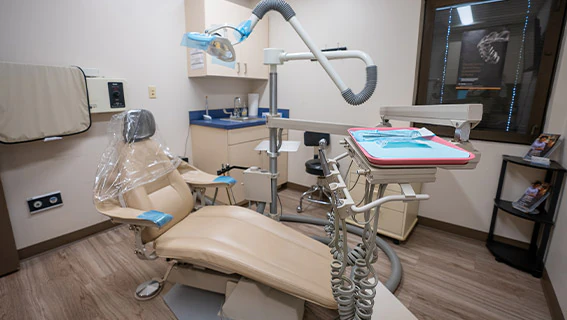
Choosing the right family dentist is one of the best things you can do for your household’s health. Small problems—like a stubborn toothache or bleeding gums—often get overlooked until they become bigger, more expensive issues. This guide explains the common warning signs that mean it’s time to see a family dentist, why regular checkups matter, and how having one trusted dental team makes care simpler for everyone. We’ll also share tips for finding the right family dentist in your area.
What Are the Common Signs Indicating You Need a Family Dentist?
Knowing the signs that point to professional care helps you act before small issues grow. Look for persistent tooth pain, gums that bleed when brushing or flossing, or trouble chewing. These symptoms can signal cavities, gum disease, or other conditions a dentist should evaluate. Routine visits let your dental team catch problems early and keep your family’s oral health on track.
How to Recognize Early Dental Problems in Your Family
Early problems are often subtle. Schedule regular exams so your dentist can spot decay, gum inflammation, or soft-tissue changes that aren’t obvious at home. Pay attention to jaw pain, recurring toothaches, or changes in how teeth fit together—these can point to underlying issues. The sooner you intervene, the easier and less costly treatment tends to be, and the healthier your family’s smiles will stay.
Dentists are often the first to notice serious mouth changes, which makes regular exams an important part of early detection.
Dentists' Key Role in Early Oral Cancer Detection
Most suspected malignant changes in the oral mucosa are first noticed by dentists working in private practice. Because the effectiveness of a visual oral exam can vary across health systems, a regional, prospective study was conducted in routine dental practices to measure how often oral mucosal changes occur and to evaluate the exam methods used.
Early detection of oral cancer: a key role for dentists?, M Jürgensen, 2022
When Do Dental Issues Require Professional Family Dental Care?
You should seek professional family dental care when you notice signs of oral cancer, persistent gum disease, advanced tooth decay, missing teeth, or symptoms related to temporomandibular joint (TMJ) problems—such as jaw pain, trouble chewing, or frequent headaches. Regular checkups help find these issues early. If you spot any worrying symptoms, contact a family dentist promptly via our contact page so they can assess and treat the problem before it worsens.
When Should You See a Family Dentist? Key Timing and Triggers
Make routine visits part of your family’s schedule so conditions like gum disease, tooth decay, and even early signs of oral cancer can be caught early. Beyond regular exams, see a dentist right away for sudden pain, swelling, trauma to the mouth, or persistent TMJ symptoms. If you’re missing teeth, consult a dentist to review options such as dental implants or bridges to protect bite alignment and jaw health.
What Are the Recommended Checkup Frequencies for Families?
Checkup frequency depends on age and individual needs, but many families do well with exams every six months. Children, seniors, and people with a history of dental problems may need more frequent visits. Your dentist will recommend the best schedule based on exam findings and your family’s oral health history.
Which Symptoms Signal Immediate Family Dental Attention?
Watch for these warning signs that deserve prompt dental care:
- Jaw pain
- Ear pain
- Difficulty chewing
- Facial pain
- Locking of the jaw
- Headaches
- Uneven bite
- Clicking, popping, or grating in the jaw joint
- Limited mouth mobility
- An uncomfortable bite
- Facial swelling
- Toothaches
- Neck pain
- Numbness or tingling
- Worn or damaged teeth (cracked, loose, missing, chipped, or broken)
If anyone in your household has these symptoms, schedule a dental appointment as soon as possible to prevent complications and relieve discomfort.
What Are the Benefits of Choosing a Family Dentist for Your Household?
A family dentist provides care for everyone—from toddlers to grandparents—so you get consistent, coordinated treatment under one roof. That continuity builds trust, makes appointments easier to coordinate, and helps your dentist track oral health changes over time. With one team familiar with your family’s history, care becomes more personal and efficient.
How Does Family Dental Care Improve Overall Oral Health?
Family dental care focuses on prevention and early detection. Regular exams and professional cleanings help spot problems like cavities, gum disease, or abnormal mouth tissues before they progress. Treating missing teeth with implants or bridges can stop drifting, misalignment, and bone loss—protecting both how your family eats and smiles.
What Convenience and Cost Advantages Do Family Dentists Offer?
Seeing a family dentist saves time and often money. With multiple services available in one office—preventive care, restorative work, and basic cosmetic treatments—you avoid juggling multiple providers. Many practices also offer flexible scheduling to book several family members on the same day, reducing time off work and school.
How to Choose the Right Family Dentist in Your Area?
Picking the right family dentist matters. Look for someone who treats all ages, explains options clearly, and makes your family feel comfortable. Practical considerations—like location, office hours, and accepted insurance—also help you decide.
What Factors Should You Consider When Selecting a Family Dentist?
Keep these factors in mind when choosing a family dentist:
- Location and Accessibility: Pick an office that’s easy to get to so appointments are simpler to keep.
- Services Offered: Make sure the practice provides preventive, restorative, and basic cosmetic care for all ages.
- Patient Comfort and Rapport: Choose a dentist and team who listen, explain treatments, and help patients—especially children—feel at ease.
How to Evaluate Family Dentist Credentials and Patient Reviews?
Check a dentist’s credentials, professional memberships, and any additional training listed on their site. Read patient reviews to learn about real experiences: wait times, bedside manner, and treatment outcomes. You can also call the office to ask questions or schedule a consultation to see if the practice is the right fit.
What Are Common Dental Problems Managed by Family Dentists?
Family dentists treat a wide range of issues, including cavities, gum disease, tooth loss, TMJ disorders (jaw pain and headaches), and routine soft-tissue checks for early signs of oral cancer. They also provide age-appropriate care for children and seniors.
How Do Family Dentists Address Cavities, Gum Disease, and Other Issues?
Family dentists prioritize prevention—regular cleanings, exams, and patient education—to catch cavities and gum problems early. When treatment is needed, they offer conservative restorations, periodontal care, and referrals to specialists if a condition requires advanced treatment.
What Preventive Treatments Do Family Dentists Provide?
Preventive care includes professional cleanings, fluoride treatments, dental sealants for kids, routine exams, and personalized advice on brushing and flossing. These services reduce the risk of decay and gum disease and keep your family’s mouths healthy between visits.
| Service | Benefit | Why it matters |
|---|---|---|
| Regular Checkups | Early detection of dental problems | Helps avoid more extensive treatment later |
| Professional Cleanings | Removes plaque and tartar | Reduces the chance of cavities and gum disease |
| Fluoride Treatments | Strengthens tooth enamel | Protects teeth from decay |
These services work together to keep smiles healthy and prevent minor issues from becoming major ones. Prioritizing prevention saves time, discomfort, and cost over the long run.
Frequently Asked Questions
What should I do if my child is afraid of visiting the dentist?
Children often feel nervous about dental visits. A short pre-visit to meet the team, using calm, positive language about the appointment, and bringing a favorite toy can help. Many family dentists are experienced with nervous kids and will take extra time to explain steps and build trust during visits.
How can I help my family maintain good oral hygiene at home?
Encourage everyone to brush twice a day with fluoride toothpaste, floss once daily, and limit sugary snacks and drinks. Set a simple routine—brush after breakfast and before bed—and make it fun for kids with timers or reward charts. Regular at-home care makes a big difference between dental visits.
What age should my child have their first dental visit?
The American Academy of Pediatric Dentistry recommends a child see the dentist by their first birthday or within six months of their first tooth coming in. Early visits establish a dental home and let the dentist monitor growth and offer guidance on feeding, teething, and brushing habits.
Are family dentists equipped to handle orthodontic issues?
Many family dentists can identify basic orthodontic needs and provide early guidance. For complex cases, they’ll refer you to an orthodontist. Your family dentist can help with monitoring growth and timing to ensure children are referred when appropriate.
What should I expect during a family dental checkup?
A typical checkup includes an exam of teeth and gums, a professional cleaning, and any necessary X-rays. The visit may include polishing, fluoride treatment, and a discussion of home care. Your dentist will explain findings and recommend any follow-up care.
How can I find a family dentist that meets my needs?
Ask friends and family for recommendations, read online reviews, and visit practice websites to review services and staff bios. Consider location, hours, and whether the practice treats all ages. Schedule a consultation to see the office and meet the team before deciding.
Conclusion
Watching for early warning signs and keeping up with regular dental visits are the best ways to protect your family’s oral health. A family dentist offers coordinated, age-appropriate care that saves time and reduces stress when treatment is needed. Make prevention a priority—schedule routine checkups and address concerning symptoms quickly to keep everyone smiling comfortably. Start today by exploring your options and finding a dental team you trust.


