

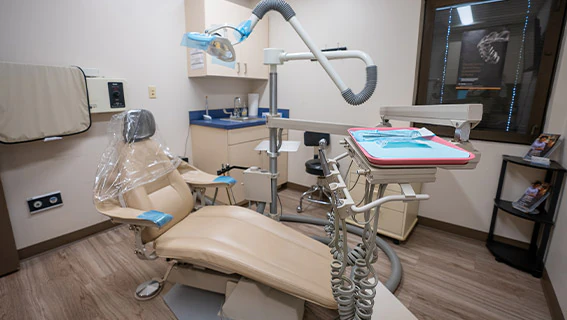
Orofacial pain frequently reduces functional ability and overall well‑being by producing a spectrum of symptoms that may warrant specialist care. Recognising these signs enables timely assessment and targeted management. This article summarises the principal indicators that could justify orofacial pain treatment in Jacksonville, with emphasis on the role of TMJ specialists in Jacksonville, FL. Early identification supports appropriate intervention, symptom reduction, and improved daily function. The content below addresses common presentations, diagnostic pathways, therapeutic options, and supportive lifestyle measures.
What Are the Common Symptoms Indicating Orofacial Pain?
Early identification of orofacial pain symptoms facilitates prompt clinical evaluation. These presentations commonly cause notable discomfort and interference with routine tasks. The principal clinical features are:
- Jaw Pain: Persistent pain in the jaw area can indicate underlying issues such as TMJ disorders or muscle tension.
- Headaches: Frequent headaches, particularly tension-type or migraines, may be linked to jaw dysfunction or bruxism.
- Clicking or Popping Sounds: Noises during jaw movement can suggest joint problems, often associated with TMJ disorders.
Early recognition should prompt referral for specialist assessment, such as the comprehensive orofacial pain services provided by Ramos Dental Care PA in Jacksonville.
How Does Chronic Jaw Pain Signal the Need for Treatment?
Chronic jaw pain is a key indicator for professional evaluation. Pain persisting beyond approximately three months often reflects ongoing musculoskeletal or joint pathology and may be functionally limiting. Common aetiologies include masticatory muscle strain, temporomandibular joint dysfunction, or dental contributors.
Chronic pain commonly coexists with functional deficits such as impaired mastication, facial soft‑tissue swelling and referred otalgia. Management options include structured physical therapy, pharmacologic pain control, and occlusal appliances, each directed at restoring comfort and function. Consultation with a TMJ specialist in Jacksonville supports a personalised treatment plan.
What Facial Pain Patterns Suggest TMJ Disorder?
Distribution and character of facial pain provide important diagnostic clues for temporomandibular disorders. Typical clinical patterns include painful limitation at the joint, referred symptoms to adjacent regions, and concomitant cephalalgia.
- Jaw Pain: Pain localized around the jaw joint, often exacerbated by movement.
- Ear Pain: Discomfort that radiates to the ear area, frequently mistaken for ear infections.
- Headaches: Recurrent headaches that coincide with jaw pain can indicate TMJ involvement.
Recognising these patterns assists clinicians in differentiating TMJ disorders from other orofacial conditions and informs appropriate diagnostic testing and management.
How Is Orofacial Pain Diagnosed by Specialists in Jacksonville?
Diagnosis of orofacial pain requires a structured, multidisciplinary assessment. The evaluation typically comprises history-taking, focused examination and selected imaging to characterise the source of pain.
- Medical History: A detailed account of symptoms, previous treatments, and any relevant medical conditions.
- Physical Examination: Assessment of jaw movement, tenderness, and any audible sounds during jaw function.
- Imaging Tests: X-rays or MRI scans may be utilized to visualize the temporomandibular joint and surrounding structures.
This systematic diagnostic process supports accurate identification of causative factors and the formulation of an evidence‑based treatment plan.
Professional organisations have produced consensus guidance to ensure imaging of the temporomandibular joint is applied appropriately within this diagnostic framework.
TMJ Imaging Guidelines: American Academy of Orofacial Pain Recommendations
This position statement was prepared by a joint committee of the American Academy of Oral and Maxillofacial Radiology and the American Academy of Orofacial Pain after reviewing the relevant literature. It provides evidence‑based recommendations and clinical guidance on the appropriate use of diagnostic imaging to evaluate the temporomandibular joint.
… for imaging of the temporomandibular joint. Position statement from the american academy of oral and maxillofacial radiology and the American Academy of …, SM Mallya, 2023
What Diagnostic Procedures Identify TMJ and Orofacial Conditions?
A combination of clinical assessment and targeted investigations is used to diagnose TMJ and related orofacial disorders. These procedures clarify structural and functional abnormalities to guide treatment selection.
- Comprehensive Evaluation: A detailed assessment of symptoms and physical examination findings.
- Physical Examination: Focused on jaw movement, tenderness, and joint sounds.
- Imaging Tests: X-rays and MRIs provide visual insights into the joint's structure and function.
These diagnostic modalities are essential to establish a targeted, patient‑specific management plan.
When Should You Seek an Orofacial Pain Specialist Near Me?
Referral to an orofacial pain specialist is appropriate when symptoms persist, impair daily activities, or when new concerning features arise. Early specialist input improves the likelihood of effective management.
- Persistent Symptoms: Ongoing pain or discomfort that does not improve with over-the-counter medications.
- Impact on Daily Life: Difficulty performing daily activities due to pain or dysfunction.
- Potential Complications: Signs of worsening symptoms or new issues arising, such as swelling or changes in bite.
Timely evaluation and intervention are associated with better clinical outcomes and improved functional status.
What Are the Leading Causes of Orofacial Pain and TMJ Disorders?
Knowledge of common aetiologies for orofacial pain supports prevention and targeted therapy. Frequently identified causes include traumatic injury, occlusal discrepancies and parafunctional habits.
- Injury: Trauma to the jaw or face can lead to pain and dysfunction.
- Misaligned Teeth: Dental issues can contribute to uneven pressure on the jaw.
- Teeth Grinding: Bruxism can cause significant strain on jaw muscles and joints.
Determining the underlying cause is fundamental to selecting effective interventions and preventing recurrence.
How Do Jaw Muscle Dysfunction and Injury Contribute to Pain?
Dysfunction of the masticatory muscles and traumatic injury are common contributors to orofacial pain. These factors alter biomechanics and increase load on the temporomandibular joint.
- Injury Impact: Trauma can lead to muscle strain and joint dysfunction.
- Muscle Tension: Stress and anxiety can cause muscle tightness, exacerbating pain.
- Grinding and Clenching: These habits place excessive strain on the jaw muscles, leading to discomfort.
Targeted interventions that address muscle dysfunction and previous injury can substantially reduce pain and restore functional capacity.
What Role Do Chronic Conditions Play in Facial Pain Development?
Chronic medical and dental conditions often modify pain perception and joint mechanics, thereby contributing to persistent facial pain. Recognising these comorbidities informs comprehensive management.
- Arthritis: Inflammation of the jaw joint can lead to pain and limited movement.
- Misaligned Teeth: Dental misalignment can create uneven pressure, resulting in discomfort.
- Chronic Stress: Stress can lead to muscle tension and exacerbate pain symptoms.
Appreciating the interaction between chronic conditions and orofacial pain is essential for designing effective, long‑term treatment strategies.
Which Treatment Options Provide Effective Chronic Facial Pain Relief in Jacksonville?
- Physical Therapy: Tailored exercises can strengthen jaw muscles and improve function.
- Medication Management: Pain relievers and anti-inflammatory medications can help manage symptoms.
- Dental Splints: These devices can alleviate pressure on the jaw and reduce pain.
Consultation with a TMJ specialist enables selection of the most appropriate modality for the patient's clinical presentation.
Contemporary management of facial pain typically employs an interdisciplinary approach, combining therapies to address multiple contributing factors.
Acute Facial Pain Treatment: Modern Interdisciplinary Approaches
Acute facial pain presents multiple diagnostic and therapeutic challenges that are best addressed through a coordinated, interdisciplinary strategy. This narrative review summarises current pharmacological, non‑pharmacological and advanced interventions and highlights the need for individualized treatment plans based on the diverse causes of facial pain.
Modern approaches to the treatment of acute facial pain, MM Luedi, 2024
What Non-Invasive Therapies Are Available for Orofacial Pain?
Several non‑invasive therapies provide effective symptomatic relief and functional improvement for orofacial pain. These modalities are often first‑line interventions or components of comprehensive care.
- Physical Therapy: Focused on strengthening and relaxing jaw muscles.
- Cognitive-Behavioral Therapy: Addresses the psychological aspects of pain management.
- Alternative Therapies: Techniques such as acupuncture or massage can provide relief.
Integrating these therapies into a coordinated treatment plan can support recovery and reduce reliance on invasive procedures.
When Is Surgical Intervention Recommended for TMJ Disorders?
Surgical management is reserved for severe or refractory TMJ disorders, after exhaustive conservative measures have been trialled and documented to be ineffective. Indications require careful clinical evaluation.
- Severe Cases: When pain and dysfunction significantly impact quality of life.
- Failed Conservative Treatments: If non-invasive therapies do not provide relief.
- Patient Evaluation: A thorough assessment to determine the appropriateness of surgery.
For selected patients, surgical options may provide substantial symptomatic and functional improvement when conservative care is insufficient.
How Can Patients Manage Orofacial Pain and Improve Quality of Life?
- Pain Management Techniques: Utilizing heat or cold therapy to alleviate discomfort.
- Physical Therapy: Engaging in exercises to strengthen jaw muscles and improve mobility.
- Lifestyle Adjustments: Implementing stress-reduction techniques and maintaining good posture.
These evidence‑based self‑management strategies can complement clinical treatment and support improved function and daily comfort.
Effective care for orofacial pain frequently requires a holistic plan that addresses physical findings as well as psychological and social contributors to the pain experience.
Orofacial Pain Diagnosis & Management: Biopsychosocial Approach
The diagnosis and management of orofacial pain can be complex due to multifactorial histories, varied pathophysiology and associated psychosocial comorbidities. A biopsychosocial approach — combining physical therapies, pharmacotherapy and psychological support — can improve outcomes and limit the negative impact of facial pain on daily functioning.
Orofacial pain–an update on diagnosis and management, 2017
What Lifestyle Changes Support Jaw Pain Causes and Treatment?
Specific lifestyle modifications can reduce mechanical load on the masticatory system and assist clinical treatment. These measures support symptom control and functional recovery.
- Stress Reduction: Techniques such as meditation or yoga can help alleviate muscle tension.
- Dietary Adjustments: Eating softer foods can reduce strain on the jaw.
- Good Posture: Maintaining proper posture can prevent additional strain on the jaw muscles.
Incorporating these adjustments alongside professional therapy can facilitate recovery and reduce recurrence risk.
How Do Facial Pain Therapy Programs in Jacksonville Enhance Recovery?
Facial pain therapy programmes in Jacksonville deliver coordinated care targeting both somatic and psychosocial contributors to pain. Such programmes are typically multidisciplinary and protocol‑driven.
- Comprehensive Approach: Addressing both physical and psychological aspects of pain.
- Patient-Centered Care: Tailoring treatment plans to individual needs and preferences.
- Ongoing Support: Providing continuous care and adjustments to treatment as needed.
Structured therapy programmes can meaningfully improve recovery metrics and patient‑reported outcomes for those with chronic orofacial pain.
If you are seeking more information about dental services, Ramos Dental Care PA offers a comprehensive portfolio to address a range of oral health needs.
Frequently Asked Questions
What are the potential complications of untreated orofacial pain?
Untreated orofacial pain can progress to persistent pain syndromes and contribute to psychological sequelae such as heightened anxiety and depressive symptoms. Functional decline may occur, with reduced capacity for eating and routine tasks. Additionally, unresolved conditions can exacerbate dental malocclusion or advance temporomandibular joint pathology. Timely professional assessment mitigates these risks and supports overall health.
How can I prepare for my appointment with a TMJ specialist?
Prepare by compiling a concise medical and dental history, including previous treatments and current medications. Record symptom onset, duration and any identified triggers. Bring existing imaging or dental records when available, and list questions regarding diagnosis and treatment options. Such preparation enables a focused, efficient consultation.
Are there any home remedies for managing orofacial pain?
Several conservative measures may provide symptomatic relief, including application of heat or cold packs, supervised gentle jaw mobilisation exercises, and relaxation techniques to reduce muscle tension. These approaches can be adjunctive but should not replace specialist assessment when symptoms are persistent or severe.
What lifestyle changes can help prevent orofacial pain?
Preventive strategies include stress management practices such as mindfulness, maintaining ergonomic posture during work, and avoiding hard or chewy foods that impose excessive load on the jaw. Regular dental examinations also assist in identifying risk factors before they progress to symptomatic disease.
How long does it typically take to see improvement with treatment?
Time to clinical improvement varies with the underlying diagnosis and treatment adherence. Some patients report symptomatic relief within weeks, while others require several months of multimodal therapy. Severity of the condition, comorbidities and consistency with the prescribed plan influence recovery trajectories. Regular follow‑up enables monitoring and therapy adjustments.
What should I do if my symptoms worsen after starting treatment?
If symptoms deteriorate after initiating treatment, contact your TMJ specialist promptly. Worsening signs may indicate inadequate response, progression of underlying pathology, or need for treatment modification. Early reassessment permits adjustment of the management plan and reduces the risk of prolonged dysfunction.
Conclusion
Timely recognition and specialist assessment of orofacial pain support effective management and improved quality of life. Identifying persistent jaw pain and related facial symptoms enables targeted intervention by a TMJ expert in Jacksonville, FL, to address both symptoms and underlying causes for sustained relief. Contacting a specialist is the recommended first step toward recovery.


