

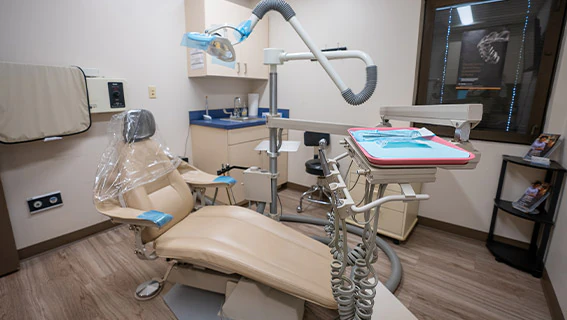
Unexplained facial pain is distressing and may reflect conditions beyond routine dental disease. This article presents a clinical overview of orofacial pain, differentiates it from common toothache, and summarises causes, typical presentations, diagnostic strategies, and treatment options. Conditions such as trigeminal neuralgia and atypical odontalgia are described, together with the importance of specialist assessment. The sections that follow outline causes, symptoms, diagnostic methods, treatments, and the functional impact of facial pain.
Causes
Facial pain may originate from multiple anatomical and neurological sources. Determining the etiology is essential to guide appropriate management and improve clinical outcomes.
- Temporomandibular Joint (TMJ) Disorders: These conditions affect the jaw joint and surrounding muscles, leading to pain and dysfunction.
- Dental Issues: Problems such as cavities, gum disease, or abscesses can cause referred pain that mimics facial pain.
- Nerve Damage: Injuries or conditions affecting the nerves, such as neuropathies, can lead to chronic facial pain.
- Muscle Tension: Stress and tension can result in muscle tightness, contributing to facial pain.
- Other Conditions: Various medical conditions, including sinusitis and migraines, can also manifest as facial pain.
Identifying the underlying cause permits targeted therapy and increases the likelihood of symptom relief.
Symptoms
Clinical presentations of unexplained facial pain vary and can complicate diagnosis. Common manifestations include:
- Jaw Pain: Discomfort in the jaw area, which may be persistent or intermittent.
- Ear Pain: Pain that radiates to the ear, often mistaken for an ear infection.
- Difficulty Chewing: Pain during chewing can indicate underlying dental or muscular issues.
- Tinnitus: Ringing or buzzing in the ears may accompany facial pain, particularly in TMJ disorders.
- Facial Swelling: Inflammation in the facial region can signal an underlying issue requiring attention.
Providing a clear description of these symptoms helps clinicians narrow the differential diagnosis and select appropriate investigations.
Diagnostic Methods
A systematic diagnostic approach is required to determine the source of unexplained facial pain. Key methods include:
- Medical History Assessment: A thorough review of the patient's medical history helps identify potential contributing factors.
- Physical Examination: A detailed examination of the facial area, jaw, and neck can reveal signs of TMJ disorders or other conditions.
- Imaging Tests: Techniques such as X-rays, MRIs, or CT scans may be employed to visualize the structures of the jaw and surrounding areas.
These assessments distinguish dental, musculoskeletal and neuropathic causes and inform an appropriate treatment plan.
Treatment Options
Management commonly requires a multimodal strategy tailored to the confirmed diagnosis. Frequently used treatment modalities include:
- Physical Therapy: Targeted exercises and therapies can help alleviate pain and improve jaw function.
- Medication Management: Pain relievers, anti-inflammatory medications, or muscle relaxants may be prescribed to manage symptoms.
- Dental Splints: Custom-fitted dental appliances can help reduce strain on the jaw and alleviate pain.
- Therapeutic Injections: Injections of corticosteroids or other medications may provide relief for certain conditions.
- Lifestyle Modifications: Stress management techniques and dietary changes can also play a role in reducing pain.
For specialised care, Ramos Dental Care PA provides comprehensive dental services focused on orofacial pain management. The team can assist with diagnostic clarification and the development of individualized treatment plans.
How Does Neuropathic Pain Differ from Typical Toothache?
Neuropathic pain, as seen in trigeminal neuralgia, differs from odontogenic toothache. Odontogenic pain typically reflects pulpal or periodontal pathology. Neuropathic pain arises from nerve injury or dysfunction and produces lancinating or electric-shock sensations that may not correspond to identifiable dental disease. Distinguishing these patterns is essential for correct diagnosis and therapy selection.
What Role Does the Trigeminal Nerve Play in Facial Pain Syndromes?
The trigeminal nerve mediates facial sensation and motor components of mastication. When this nerve is irritated or injured, it can produce severe, paroxysmal facial pain. Recognition of trigeminal involvement is central to the evaluation and management of facial pain syndromes.
Research has clarified mechanisms implicated in trigeminal neuralgia, frequently involving structural changes of the trigeminal root.
Trigeminal Neuralgia: Understanding Causes & Microvascular Decompression
Advances in understanding abnormal electrical behaviour in injured sensory neurons prompted an ultrastructural examination of trigeminal roots from patients with trigeminal neuralgia. In 12 patients, biopsy specimens obtained during microvascular decompression demonstrated axonopathy and axonal loss, demyelination, a spectrum of milder myelin abnormalities (dysmyelination), residual myelin debris, and excess collagen, with condensed collagen masses observed in two cases.
Mechanism of trigeminal neuralgia: an ultrastructural analysis of trigeminal root specimens obtained during microvascular decompression surgery, M Devor, 2002
How Is Trigeminal Neuralgia Diagnosed and Distinguished from Other Facial Pain Conditions?
Diagnosis of trigeminal neuralgia relies on a detailed history, characterisation of symptom patterns, and imaging to exclude alternative diagnoses. Clinicians look for abrupt, severe paroxysms often provoked by light touch or movement; this pattern helps separate trigeminal neuralgia from other facial pain disorders and directs appropriate management.
What Are the Key Symptoms of Trigeminal Neuralgia?
Key symptoms of trigeminal neuralgia include:
- Severe Facial Pain: Sudden, intense pain that can last from a few seconds to several minutes.
- Trigger Points: Pain may be triggered by activities such as eating, speaking, or even light touch.
- Intermittent Episodes: Pain episodes can occur in clusters, with periods of remission in between.
Early recognition of these features facilitates prompt intervention and targeted management.
Which Diagnostic Procedures Differentiate Referred Tooth Pain and Atypical Odontalgia?
Differentiation between referred tooth pain and atypical odontalgia requires specific diagnostic tests, including:
- Pulp Vitality Testing: Assessing the health of the tooth pulp can help determine if the pain is dental in origin.
- Diagnostic Imaging: X-rays can reveal underlying dental issues that may not be immediately apparent.
- Neurological Assessment: Evaluating nerve function can help identify atypical odontalgia, which may not have a clear dental cause.
These investigations confirm or exclude dental pathology, evaluate neural integrity, and support effective treatment planning.
What Treatment Options Are Available for Chronic Orofacial Pain and Atypical Facial Pain?
Management of chronic orofacial pain and atypical facial pain often requires combined interventions, such as:
- Medications: Antidepressants or anticonvulsants may be prescribed to manage chronic pain.
- Cognitive Behavioral Therapy: Psychological support can help individuals cope with the emotional aspects of chronic pain.
- Interventional Procedures: Techniques such as nerve blocks or radiofrequency ablation may be considered for severe cases.
A multimodal strategy addresses both the nociceptive and psychosocial components of chronic facial pain.
How Do Medical, Dental, and Surgical Therapies Address Orofacial Pain?
Medical therapy targets symptom control with pharmacological agents; dental treatment addresses identifiable odontogenic sources; and surgical interventions, including decompression for trigeminal neuralgia, are reserved for refractory cases. Collaboration across specialties often produces the best outcomes.
What Are the Patient Benefits and Expected Outcomes of These Treatments?
Patients may experience several benefits from effective treatment of unexplained facial pain, including:
- Pain Relief: Many treatments aim to significantly reduce or eliminate pain.
- Improved Functionality: Enhanced jaw function can lead to better eating and speaking abilities.
- Enhanced Quality of Life: Effective management of pain can lead to improved emotional well-being and daily functioning.
Awareness of these expected outcomes supports patient engagement with recommended therapies.
How Can Patients Manage Jaw Pain Without Tooth Decay?
Management of jaw pain in the absence of dental decay includes conservative measures such as:
- Stress Reduction Techniques: Practices such as yoga or meditation can help alleviate muscle tension.
- Heat or Cold Therapy: Applying heat or cold packs can provide temporary relief from pain.
- Gentle Jaw Exercises: Specific exercises can help improve jaw mobility and reduce discomfort.
These conservative self-care strategies can reduce symptoms and enable patients to participate actively in their treatment plan.
What Are the Possible Neuropathic and Musculoskeletal Causes of Jaw Pain?
Jaw pain can stem from both neuropathic and musculoskeletal causes, including:
- Neuropathic Causes: Conditions like trigeminal neuralgia or nerve injuries can lead to chronic pain.
- Musculoskeletal Causes: TMJ disorders, muscle tension, and arthritis can contribute to jaw pain.
Distinguishing neuropathic from musculoskeletal etiologies is necessary to select appropriate therapy and provide an accurate prognosis.
When Should Patients Seek Professional Evaluation for Jaw Pain?
Patients should seek professional evaluation for jaw pain if they experience:
- Persistent Pain: Ongoing pain that does not improve with home care.
- Difficulty Opening the Mouth: Limited jaw movement can indicate a serious issue.
- Swelling or Inflammation: Visible swelling may require immediate attention.
Prompt assessment enables definitive diagnosis, timely treatment, and reduction of the risk of complications.
What Resources and FAQs Help Patients Understand Unexplained Facial Pain?
Patients seeking information on unexplained facial pain can consult several resources, including:
- Educational Websites: Reliable health websites provide information on symptoms and treatment options.
- Support Groups: Connecting with others experiencing similar issues can offer emotional support.
- Healthcare Provider Consultations: Direct discussions with healthcare professionals can clarify concerns and provide personalized advice.
Accessing these resources supports informed decision making regarding diagnosis and management.
Frequently Asked Questions
What lifestyle changes can help manage unexplained facial pain?
Lifestyle modifications may reduce facial pain. Stress-reduction practices such as yoga, meditation, or diaphragmatic breathing can decrease masticatory muscle tension. Maintaining a balanced diet and adequate hydration supports general health. Regular, low-impact exercise can improve circulation and symptom control. Discuss lifestyle changes with a healthcare provider to ensure they form part of an individualized plan.
Are there any alternative therapies for facial pain relief?
Certain complementary therapies may provide symptomatic benefit for some patients. Acupuncture has demonstrated efficacy in selected cases. Chiropractic care may relieve cervical and jaw tension, while therapeutic massage can address myofascial tightness. Consult a healthcare professional before initiating alternative therapies to ensure they integrate safely with existing treatment.
How can I differentiate between facial pain and a dental emergency?
Distinguishing facial pain from a dental emergency can be difficult. Findings that suggest a dental emergency include progressive severe pain, facial swelling, or fever. In contrast, intermittent pain triggered by chewing or speaking often indicates a non-dental cause such as TMJ disorder. When uncertainty exists, seek assessment from a dental or medical professional for an accurate evaluation.
What role does physical therapy play in treating facial pain?
Physical therapy is a key component when muscle dysfunction or TMJ disorders contribute to facial pain. A physical therapist will prescribe exercises to strengthen masticatory muscles, improve range of motion, and restore function. Modalities such as manual therapy, therapeutic ultrasound, and electrical stimulation may be used. Regular therapy sessions can reduce pain and improve mobility as part of a coordinated treatment plan.
Can stress contribute to unexplained facial pain?
Stress commonly contributes to facial pain by increasing tension in the jaw and neck muscles. Stress may also exacerbate conditions such as TMJ disorders or migraine, complicating symptom control. Incorporating stress management strategies—mindfulness, relaxation techniques, or psychological therapy—can improve overall pain management.
What should I do if my facial pain worsens over time?
If facial pain worsens over time, seek professional evaluation promptly. Progressive pain may indicate an underlying infection or deterioration of a chronic condition. Keeping a symptom diary that records intensity, triggers and associated signs can aid clinicians in diagnosis. Early intervention typically leads to more effective treatment and reduces the likelihood of complications.
How Do Patient Testimonials Illustrate Successful Orofacial Pain Management?
Patient reports commonly document meaningful improvement following comprehensive, targeted treatment for orofacial pain. Many patients describe reduced pain and restored oral function after specialist assessment and therapy, which underscores the value of specialist evaluation and coordinated care.
If you are experiencing orofacial pain, consider the orofacial pain treatment in Jacksonville available at Ramos Dental Care PA. The practice offers individualized treatment plans designed to address diagnostic uncertainty and symptom control.
For routine dental maintenance, general dentistry services at Ramos Dental Care PA support prevention of dental conditions that can mimic or contribute to facial pain.
To learn more about us and our clinical approach, visit our website. Ramos Dental Care PA is committed to delivering high-quality, evidence-informed dental care to the community.
Conclusion
A clear understanding of the causes, presentations and treatment options for unexplained facial pain enables patients to pursue appropriate care and improve function and wellbeing. If you are experiencing unexplained facial pain, consider the specialised services at Ramos Dental Care PA for an individualized assessment and treatment plan. Contact the practice to arrange a consultation and begin targeted management.


