

A dental crown is designed to restore and protect a tooth that has been damaged, weakened, or significantly treated. With proper care, a crown can provide years of function and help preserve the tooth underneath. However, crowns can occasionally become loose or fall out.
If your dental crown falls out, try not to panic. A lost crown is generally not considered a life-threatening emergency, but it does require prompt dental attention. The exposed tooth may be sensitive or vulnerable to additional damage, and the crown may be able to be reattached or replaced depending on its condition.
Knowing what to do when a dental crown falls out can help protect your tooth while you arrange an appointment with Dr. Ramos at Ramos Dental Care.
Why Do You Need a Dental Crown?
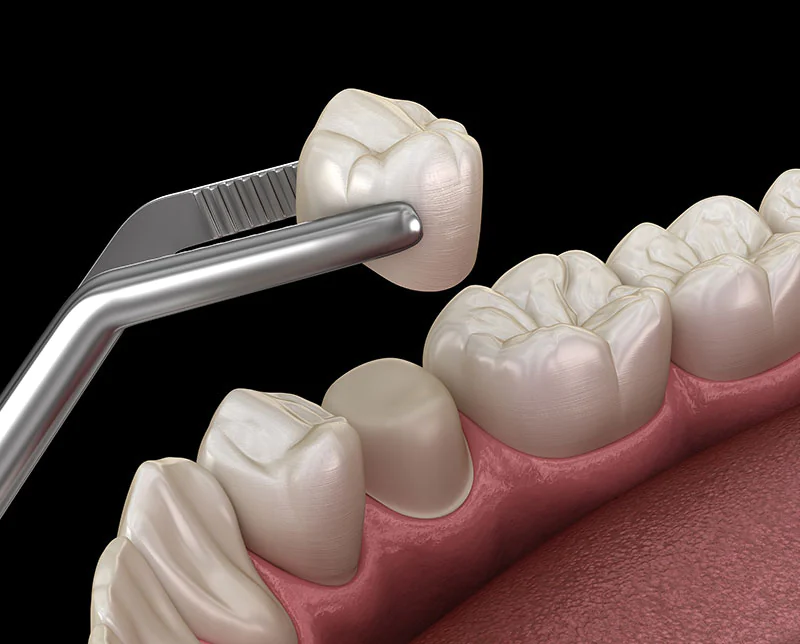 A dental crown is a custom-made restoration that covers a tooth to restore its shape, strength, and appearance.
Dr. Ramos may recommend a crown when a tooth has significant damage that cannot be adequately restored with a filling. Common reasons for needing a dental crown from our Jacksonville dental office include:
- A tooth that has a large filling and weakened structure
- Significant decay
- A cracked or fractured tooth
- A tooth that has undergone root canal treatment
- Severe wear or damage
- A dental implant that needs a final restoration
- Certain cosmetic or restorative concerns
A crown acts like a protective cap over the tooth. By covering the remaining tooth structure, it can help restore the tooth's ability to withstand normal biting and chewing forces.
Why Might a Dental Crown Fall Out?
Dental crowns are bonded or cemented to the underlying tooth, but they are not indestructible. A crown can become loose or fall out for several reasons.
Normal Wear and Tear
Over time, the cement or bonding material holding a crown in place can weaken. Crowns are exposed to chewing forces every day, so eventually a restoration may need repair or replacement.
Decay Under the Crown
A crown protects the visible portion of the tooth, but the tooth underneath can still develop decay if bacteria reach the area beneath or around the restoration. Significant decay can compromise the tooth structure supporting the crown.
Damage to the Underlying Tooth
If the tooth beneath a crown cracks or fractures, the crown may no longer fit securely.
Excessive Bite Forces
Grinding or clenching your teeth can place significant stress on dental restorations. If you regularly grind your teeth, your dentist may recommend a nightguard or another strategy to help protect your teeth and restorations.
Eating Very Hard or Sticky Foods
Biting down on very hard foods or objects can put excessive force on a crown. Sticky foods can also potentially pull on a restoration, particularly if it is already beginning to loosen.
Changes to the Crown or Tooth
Sometimes a crown simply reaches the end of its functional lifespan. Your dentist can determine whether the existing crown can be cleaned and reattached or whether a new restoration is needed.
What Should You Do If Your Crown Falls Out?
If your crown comes out, the most important thing is to protect the tooth and contact us at Ramos Dental Care.
1. Find and Save the Crown
If you can locate the crown, keep it in a clean, safe container and bring it with you to your dental appointment.
Do not throw it away. Your dentist can examine the crown to determine whether it is intact and potentially suitable for reattachment.
2. Contact Your Dentist
Call your Jacksonville dental office as soon as possible and explain that your crown has fallen out. Even if the tooth doesn't hurt, it is a good idea to have it evaluated promptly. Dr. Ramos and his team will work to determine why the crown came out and whether the underlying tooth is healthy enough to support it.
3. Keep the Tooth Clean
Continue brushing the area gently. If the tooth is sensitive, avoid aggressively brushing directly over it, but don't stop cleaning the area altogether. You can also rinse gently with warm water to help keep the area clean.
4. Avoid Chewing on That Side
Until you can see your dentist, try to chew on the opposite side of your mouth. The exposed tooth may be more vulnerable to damage, and chewing can cause discomfort. Avoid particularly hard, crunchy, or sticky foods around the affected area.
5. Protect the Tooth From Sensitivity
A tooth without its crown may become sensitive to hot, cold, sweet, or acidic foods and drinks. Choosing softer foods and avoiding extreme temperatures may make the area more comfortable while you wait for your appointment.
Can You Put a Crown Back on By Yourself?
You may be tempted to use household glue to put a crown back in place, but don't do this. Household adhesives are not designed for use inside the mouth and can damage the tooth or make professional treatment more difficult.
If Dr. Ramos determines that the crown can be temporarily or permanently reattached, they can use an appropriate dental cement and make sure the restoration is properly positioned.
In some situations, Dr. Ramos may provide instructions for temporarily placing a crown until you can be seen. However, you should still schedule a professional evaluation rather than assuming the crown is fine simply because it appears to fit.
Can a Fallen Crown Be Reattached?
Sometimes, a fallen dental crown can be reattached. If the crown is intact and the underlying tooth has not sustained significant damage or decay, your dentist may be able to clean the crown and tooth and reattach the existing restoration.
However, reattachment isn't always possible. A new crown may be necessary if the crown is damaged, the tooth underneath has changed significantly, or the crown no longer fits properly. Dr. Ramos and his team at Ramos Dental Care will examine the tooth and restoration before deciding on the best approach.
When Is a Lost Crown a Dental Emergency?
A lost crown generally requires prompt dental attention, but it does not always require an emergency visit. Contact Dr. Ramos promptly if your crown has fallen out, particularly if the exposed tooth is sensitive or painful.
Seek urgent dental care if you experience severe pain, significant swelling, uncontrolled bleeding, or other concerning symptoms. A crown that falls out because of a traumatic injury may also require more immediate evaluation.
If you have difficulty breathing or swallowing because of significant swelling, seek emergency medical attention.
How Can You Prevent a Dental Crown From Falling Out?
Although no restoration lasts forever, good oral hygiene and regular dental care can help protect your crown and the tooth underneath it.
Maintain Good Oral Hygiene
Brush twice a day and clean between your teeth daily. Pay particular attention to the area where the crown meets the gumline, where plaque can accumulate.
Attend Regular Dental Appointments
Routine examinations allow your dentist to monitor your crown and the tooth supporting it. Your dental team can identify signs of decay, gum disease, wear, or other problems before they become more serious.
Avoid Using Your Teeth as Tools
Don't use your teeth to open packages, tear materials, or bite objects that aren't food. These habits can put unnecessary stress on crowns and natural teeth.
Be Careful With Hard and Sticky Foods
You don't necessarily have to eliminate every hard or sticky food from your diet, but being mindful of foods that place excessive force on a restoration can help protect it.
Address Teeth Grinding
If you clench or grind your teeth, talk with your dentist. Excessive bite forces can contribute to wear or damage to both natural teeth and dental restorations.
Don't Ignore a Missing Crown
A dental crown falling out can be surprising, but knowing what to do can help you avoid additional problems. Save the crown, keep the exposed tooth clean, avoid chewing on that side, and contact Ramos Dental Care for an evaluation.
The sooner Dr. Ramos can examine the crown and underlying tooth, the sooner you can determine whether the crown can be reattached or whether another restoration is needed.
If your dental crown has fallen out, contact Ramos Dental Care in Jacksonville, FL, to schedule an appointment and learn more about the best way to protect your tooth and restore your smile.


